MY ERASMUS EXPERIENCE, PART 2 : CULTURAL STUFF TO KNOW ABOUT BELGIUM
Hello everyone ! For this second article on this blog about my Erasmus experience in Mons (Belgium), I will explain you the cultural specificities beyond obvious facts.
Yes but..
Unfortunately I will start by maybe disappointing someone: Belgium isn’t drastically different from France, so you won’t experience a massive cultural shock.
Actually, while French people immediately think of Stromae or Angèle when thinking about Belgian celebrities, in reality these artists aren’t necessarily highlighted by Belgians. Their Spotify playlists are quite identical to ours.
The point that struck me the most, and which I find frustrating, is the feeling of cultural invasion from France. Just look at the medias: French channels like TF1, France 2 and France 3 are on the TV among the top ten channels, by the way Belgians channels even sometimes broadcast french emissions, also there is a large part of french content in social medias.
The asymmetry in general knowledge is particularly revealing. For example, any Belgian would know political or general news from France, and most people could place a medium-sized city like Nîmes on a map without major errors. On the contrary, the average French knows quite nothing about Belgian political news (do you personally know Bart De Wever or Georges-Louis Bouchez or even Philippe 1er ?) and would struggle to locate cities like Charleroi or Namur correctly on the map.
This feeling of a one-way cultural exchange is, in my opinion, deeply unfair. While this is simply my personal hot take, I perceive it as a somewhat cultural complaisance towards this dominant external influence, and it makes me wonder about the health of national identity among french-speaking Belgians.
What you can do in Mons
In my opinion, Mons is one of the best city to preserve and dynamize its local culture throughout the year, contrasting with Avignon which concentrate all its culture into a three-weeks overcrowded summer theater festival and a papal palace.
In Mons, there are all these major cultural events (non exhaustive !):
End of September: les Fêtes de wallonie. a very great party during a week, with concerts and spectacles.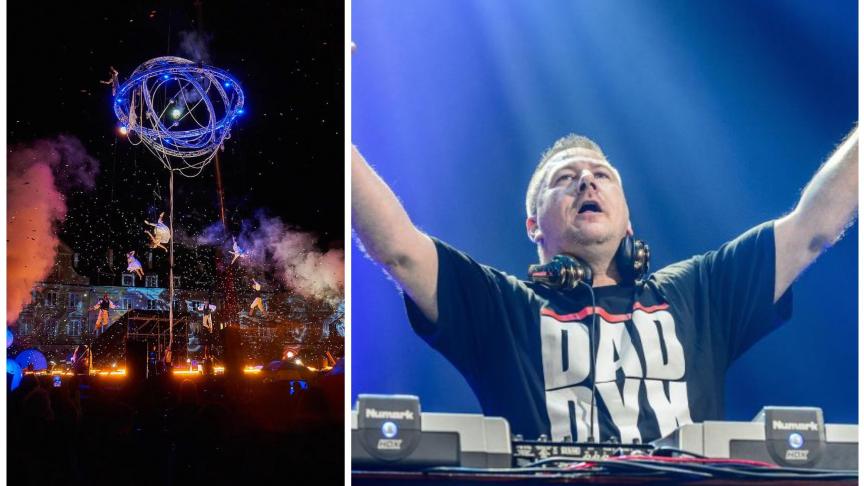
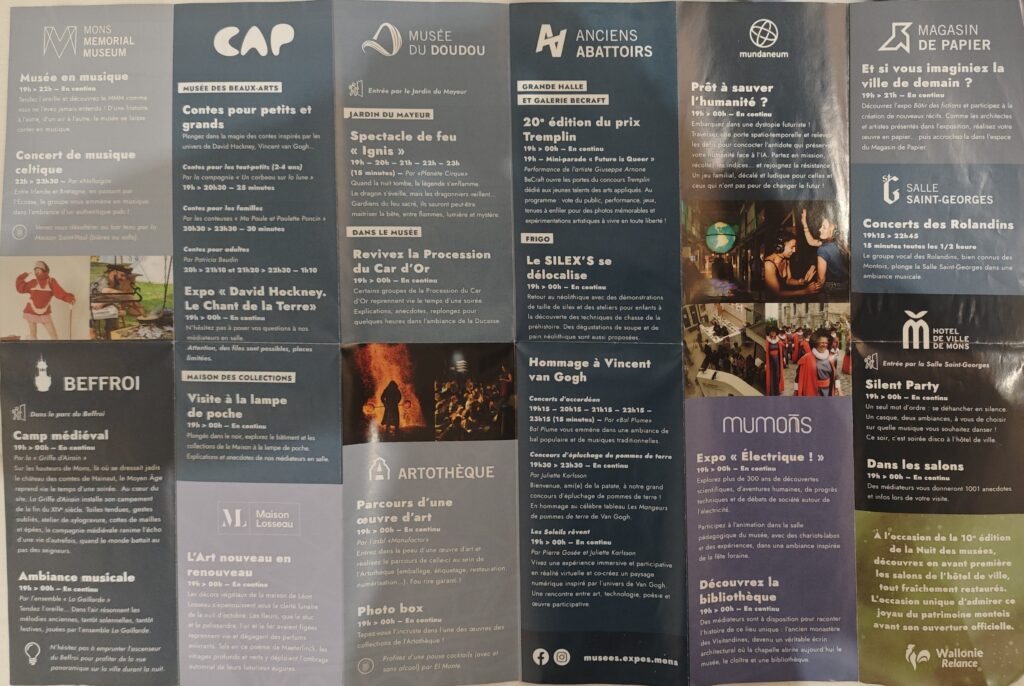
Mid-October: la Nuit des musées. all the museum of the city are highlighted and we are encouraged to visit them that night, which was very pleasant for me.
November: A carnival that lasts for a month, it’s nice to go once. There’s a thrill ride, stuffed animals, and food (the churros are expensive but tasty).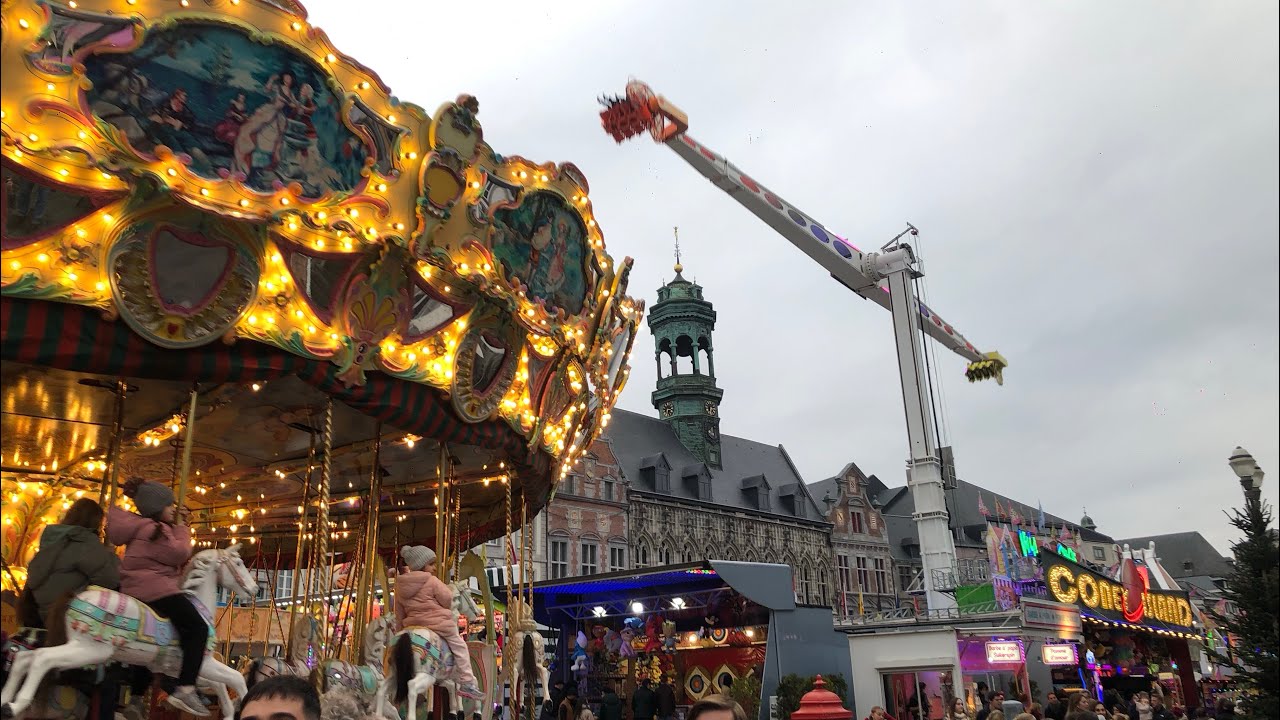
December: Mons Coeur en neige. It looks like just a standard Christmas market, but it will take place soon (as I write this in November).
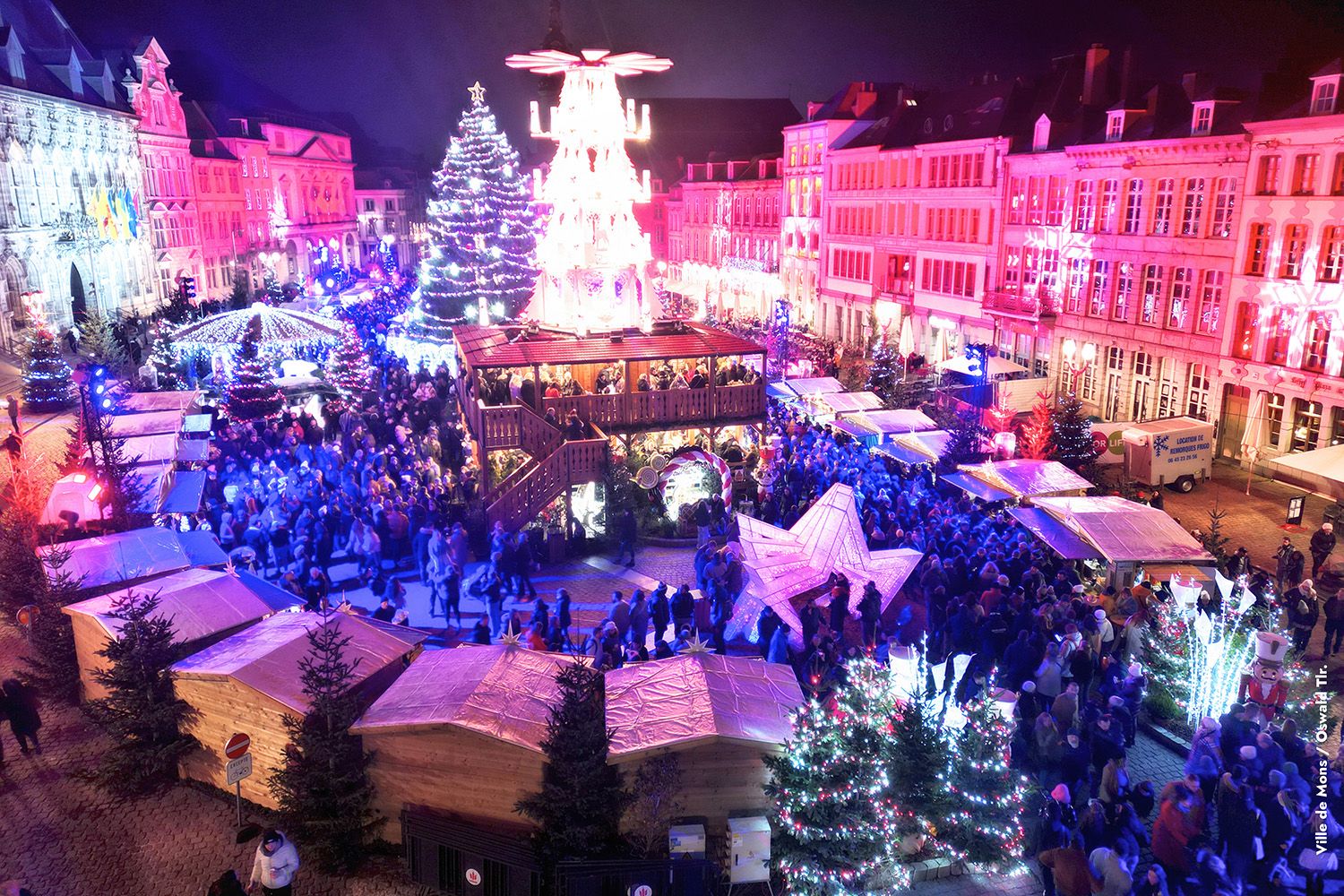
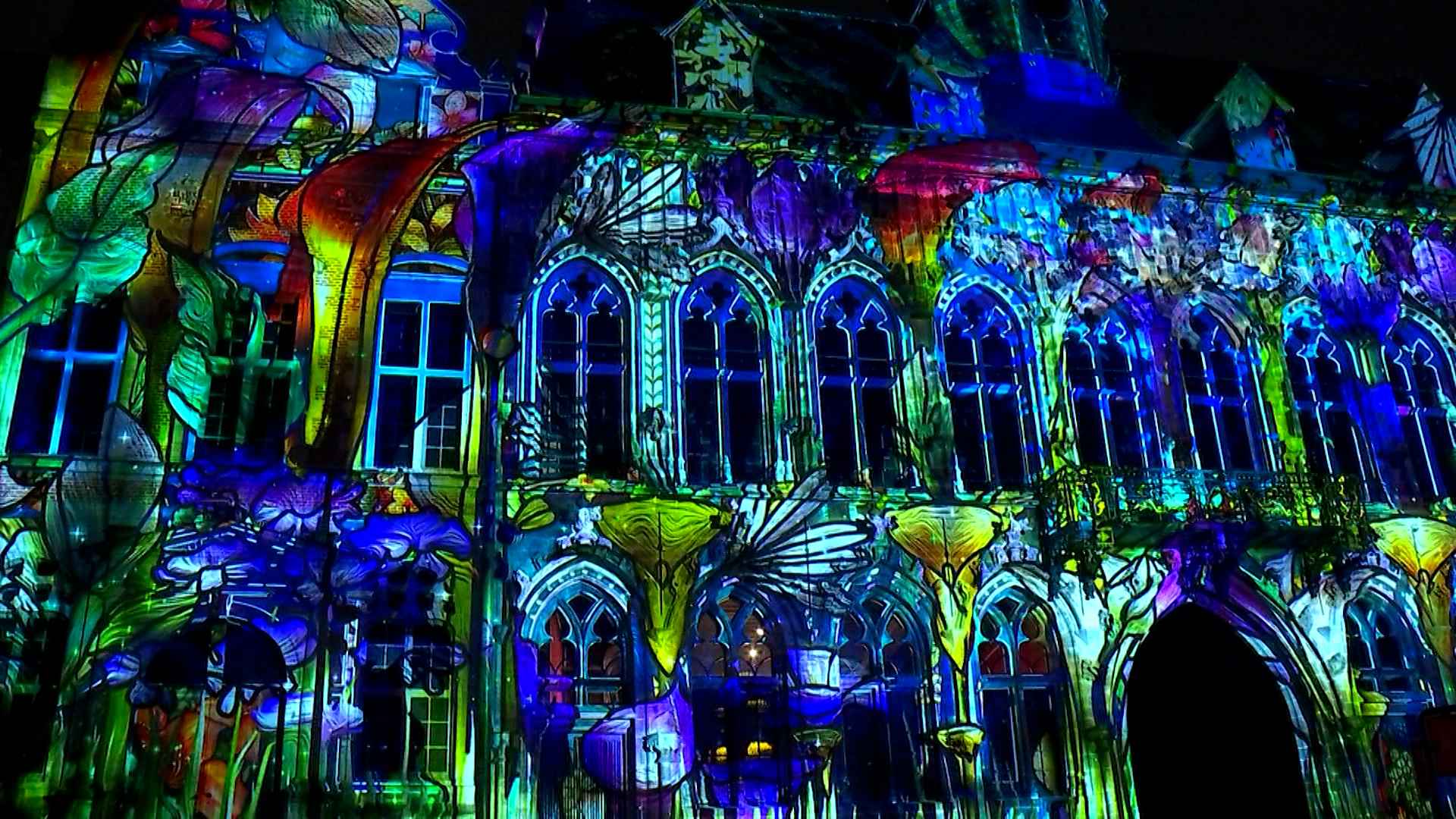
End of January: les Fêtes des Lumières. Honestly compare it with the same event in Lyon, it’s look cute, and it will happen just at the end of my Erasmus semester.
End of March: la Coupe du Mons (yes it sounds like the World Cup) is a well-known week of amusement for the UMons’ students, organising a friendly football competition in which student associations are involved.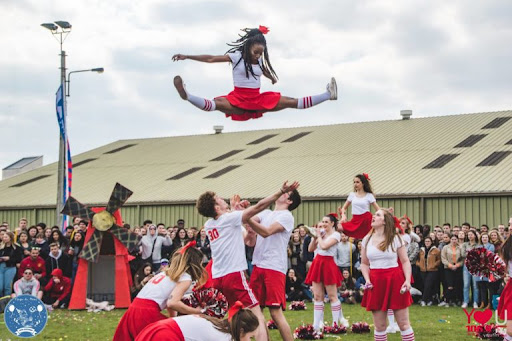
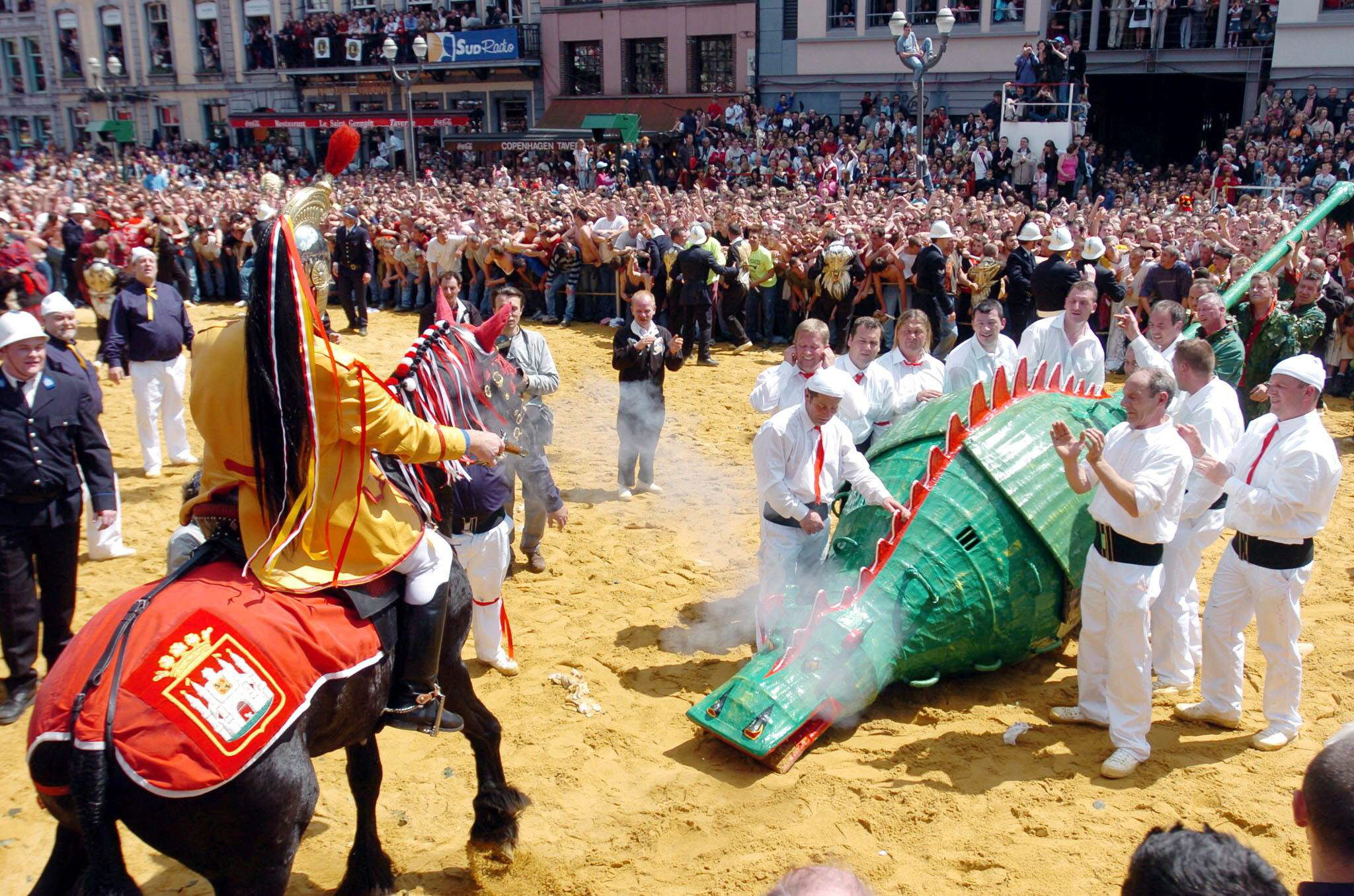
May 31th / June 1st: la Ducasse et le Doudou de Mons. This is undoubtedly the most famous event in Mons, it’s a huge manifestation which takes its roots into Mons history.
La vidéo de la montée du car d’or avec la ducasse
La vidéo du combat contre le doudou
What you can do in Brussels
Let’s be direct, Brussels is a continent-scale metropolis, you can find pretty much everything you could imagine there. There is a plenty of nationalities cause to the immigration and the European Union’s employees.
It’s cheap and quick to go there from Mons, so go ahead, but don’t romanticize it too much please.
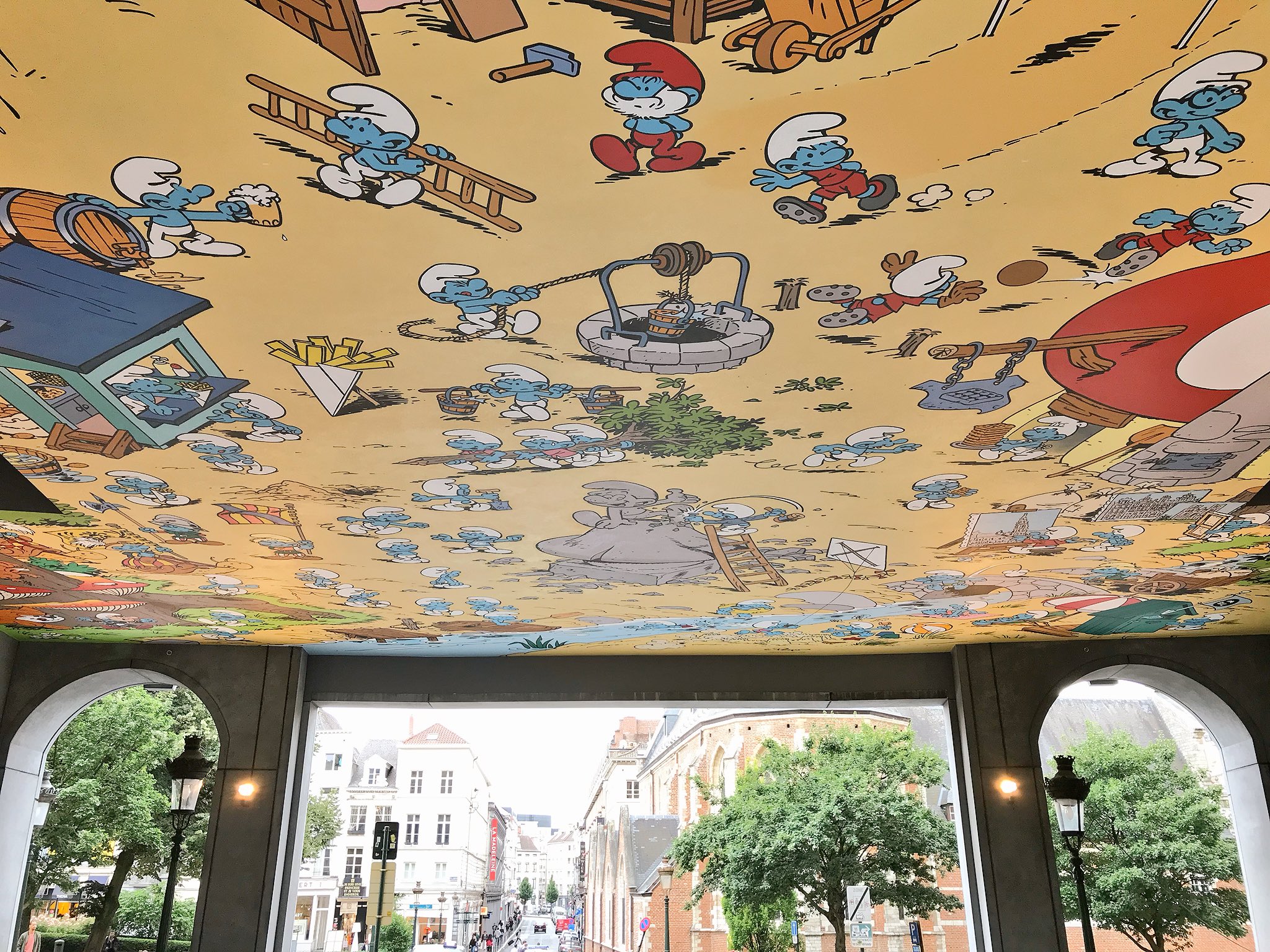
Just for a little secret, the city is famously associated with the Smurfs.
Cultural and linguist regions (spoiler: it’s complicated)
First, don’t ask me to try the belgian accent, I absolutely can’t.
What we generally refer to as the Belgian accent is actually mostly the Liégeois accent, but anyone speaking with any accent is first assumed weirdly to be from Liège. However younger generations tend to have a less pronounced accent, because of the Internet and that french cultural exposure again.
Here are some tips for mastering the characteristics of Belgian French :
- My favorite one: The verb « savoir » can replace « pouvoir » in some cases. For example, « Je ne sais pas aller à l’université » doesn’t mean the student has suddenly forgotten the road; it means they can’t go because their car broke down or they have a broken leg, or some other impossibility. So you might encounter sentences such as “Je ne sais pas payer par carte bancaire” which implicitly means that he has a problem with his bank, ou « Je ne sais pas allumer mon ordinateur » because the battery is dead.
- About the numbers: 20 is pronounced in a special way I can’t even describe, 70 is septante, 80 is quatre-vingts, 90 is nonante. (Note: in Switzerland it’s septante,huitante,nonante).
- As a French person, you’ll struggle to name some common institutions. Here, professional studies (our BTS) are called Haute École; the Crous is simply the résidence/restaurant universitaire; the entire school class system is different and brain-hurting for me, and our university Licence is called a Bachelor here (which has nothing to do with the Bachelor from a private school in France).
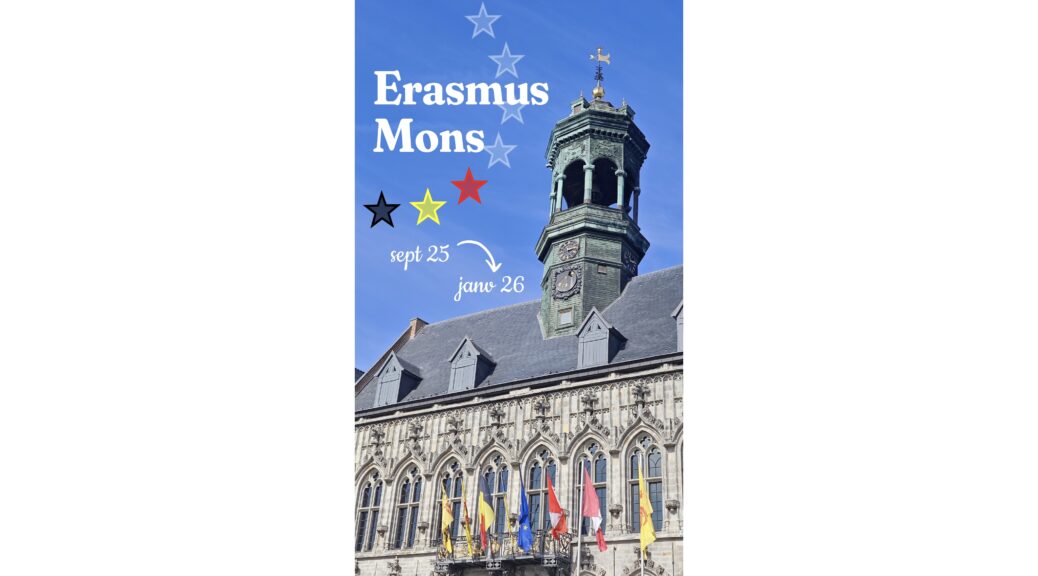
Across the whole country (and even extending into the Nord department of France), you’ll find common architectural markers: a belfry (Beffroi) in every major city (built by the secular industrial bourgeoisie) and a Grand-Place (yes, it’s spelled that way).
You could also notice that religion has a larger influence here, especially within schools.
There are some « sensible » subjects in Belgium such as : the « Question Royale » which historically and culturally divided the population over whether to keep the monarchy ; and the belgian colonization of Congo, some people here don’t fully acknowledge or deny the scale of the crimes against humanity committed by their country in Congo.
You absolutely must know that Belgium is composed of two distinct regions: Wallonia and Flanders.
Wallonia is the french-speaking half of Belgium, there isn’t so many cultural expression here and focused on its deplorable industrial past. If you drive the highways, you’ll see countless abandoned factories. The common architectural feature is brick. The population is generally often poorer, leaning left politically, and more secular, facing high unemployment rates..
Otherwise Flanders is the « dutch »-speaking half of Belgium. To be honest, Flandres deserves more to be visited thanks to its architecture and culture, which is may more interesting for a tourist than Wallonia. But be warned, a hard regionalist identity drips over society. Outside of very touristy areas, you may encounter people who are openly discriminatory and insulting towards French people (as well as Black and Arab people), their goal is secession from Belgium, in short there are many stories on the Internet..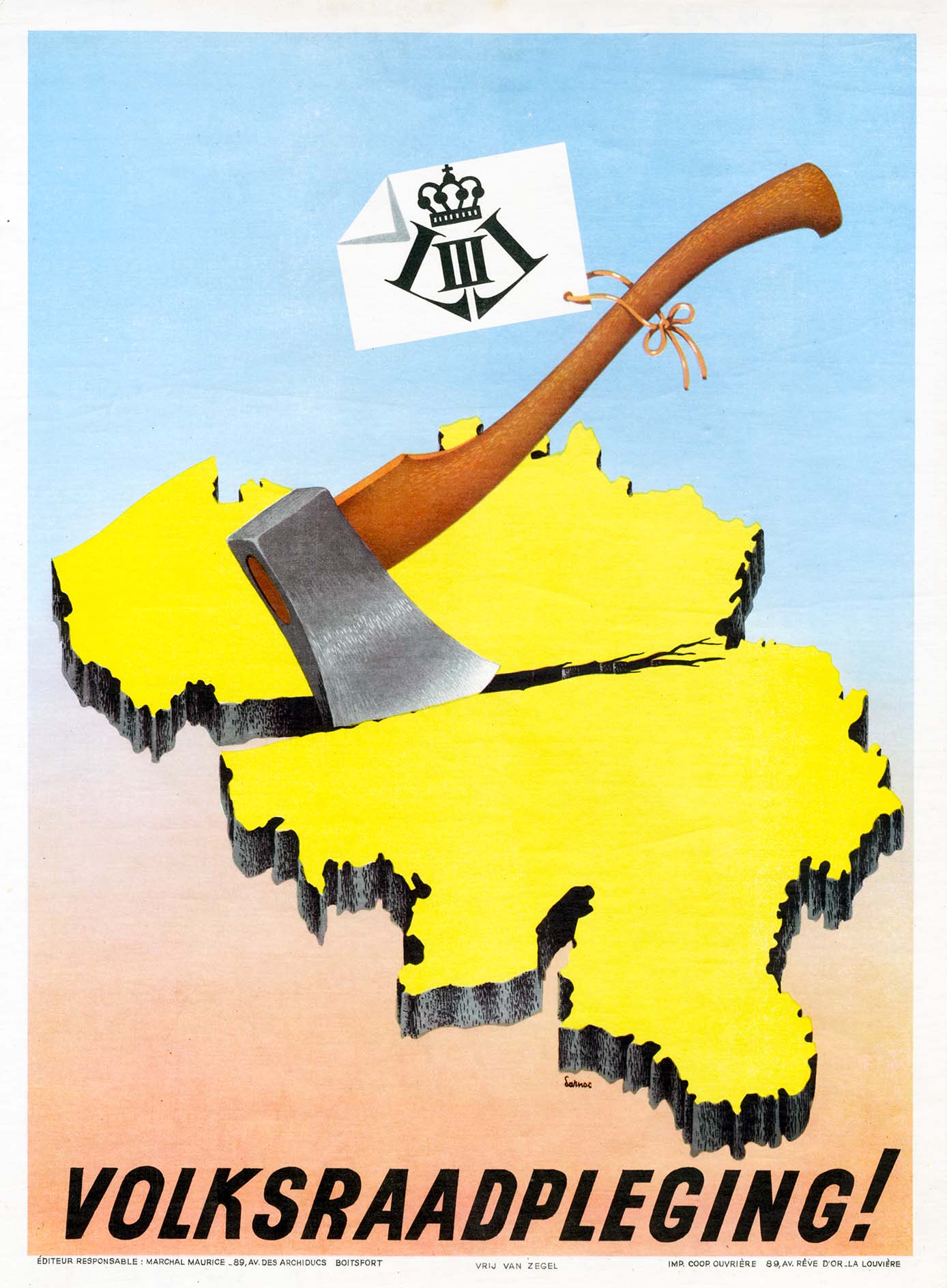
Attention, Lille in France considers itself the capital of Flanders, but this is culturally wrong ; in my opinion, it’s a stolen title, maybe due to our famous french ego.
You waited for it : Gastronomy
I already mentioned in the first part of my blog that the famous Belgian fries are often fraudulent because they are frozen, and that hasn’t changed since then. If you’re going to eat frozen fries in some places, you might as well stay at your favorite fast food in your home country, avoid to be disappointed please.
Also, keep in mind that beers are often stronger in Belgium, and of course larger. Shame on me, but I was starting to get drunk after just one beer.
If you like blood sausage, then fricadelle also exists, which Belgians are very proud of. If you don’t like it or don’t know what it is, please don’t give it a try.
Waffles are also enjoyable, whether they are Brussels waffles or Liège waffles. (PS: in belgian french it’s often waffle too and not gaufre).
Flanders also have its own specialities, it’s not astonishing, but just ok for a decent journey in Flanders.
About moules-frites, it’s more towards the North Sea coast (like Ostend), but doing it in autumn or winter is clearly pointless and unpleasant.
A true stereotype, the Belgian mentality
Finally, Belgians are well known for being warm, friendly, and relaxed, as I mentioned in the first part of my blog. If I had to give you an example, I would suggest watching the show “Le Grand Cactus” which is broadcasted on RTBF television and is also available on Instagram (@legrandcactus).
Voilà c’est la fin de ce deuxième article, j’espère que vous l’avez aimé car j’y ai vraiment passé 6 heures d’affilé, je sais même pas comment j’ai fait lol..