Archives de
Category: Carnet de voyage

La vie d’étudiants CMI en échanges internationaux

My Japanese learning experience in Nihon University (日本大学)

My Japanese learning experience in Nihon University (日本大学)

After my exchange semester in Sweden, I’ve directly taken the plane for another exchange semester, but this time way further to… Japan ! So from now on, I’m going to speak about this exchange semester, my experience in Tokyo and a few surroundings !
Let’s start today with what was the main goal of my semester in Japan : learning Japanese !

Main courses

During the Japanese learning, there were two types of courses, what I would call « main courses » which are Japanese language focused, and then cultural courses with a very wide range of subjects, about Japan and its culture.

Main courses were every morning from 9:00 to 12:10. These courses were very complete and thanks to them I could learn a lot on every aspects of the language, from grammar to kanji drawing, listening, writing…
Before coming to Japan, I learnt a little Japanese by myself and because I was always listening to Japanese songs and watching a lot of Japanese content, I knew already a lot of vocabulary and could make basic sentences and have conversations during everyday life. I managed for example to have a quite long conversation with a lady in the airplane going to Japan. It was a very funny moment, I have great memories of it, me trying for the first time to have a good conversation with a Japanese person, in Japanese.

Grammar being the aspect of the language I had the more struggles with in the beginning, I quickly realized how fast I made up for the gap with these courses and I could quickly made more complex sentences. I was also very bad at writing because I never had a good opportunity to practice in France, but again, with a good effort, it was possible to quickly learn the most important kanji that I should have already known according to my level.

Cultural courses

These courses which were focused on way broader things about Japan and its culture were every afternoon, from Monday to Thursday.

On Mondays, we had courses with a new teacher every 2 weeks, focusing on different subjects, economy, musics, the main issues of the country and how Japan could try to solve them, how do Japanese people communicate and the differences with our countries. These courses were all very interesting, with my favorite being the one about Japanese musics and its evolution through years (and also centuries), probably because it’s the Japan-related thing I like to talk about the most.

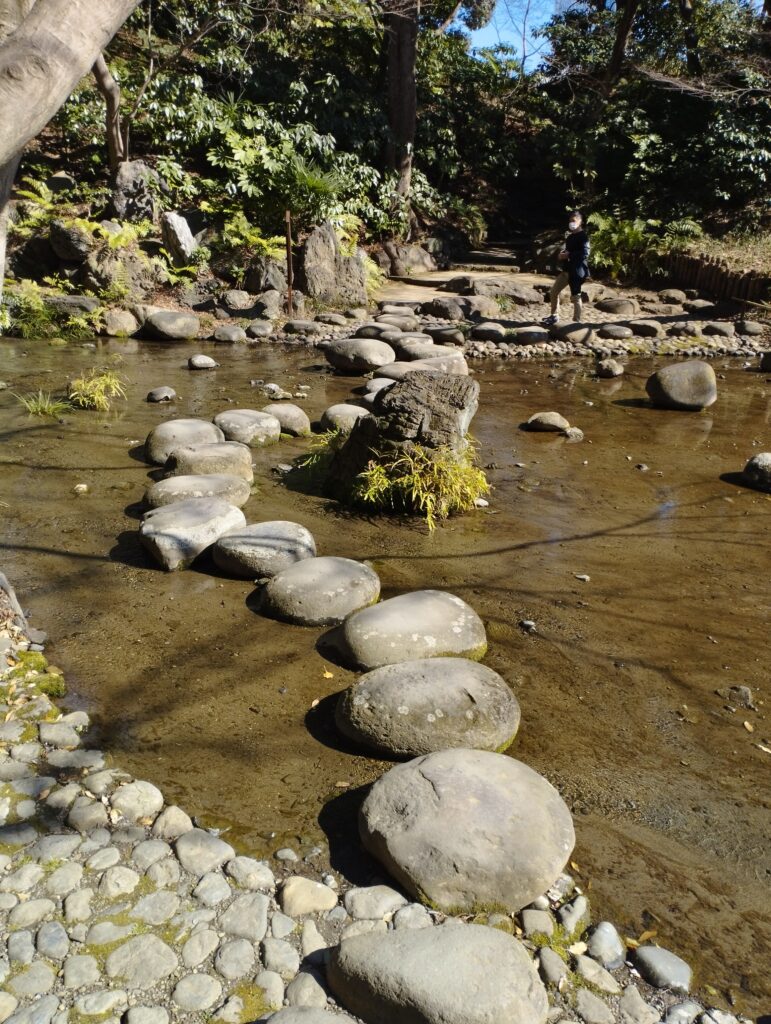
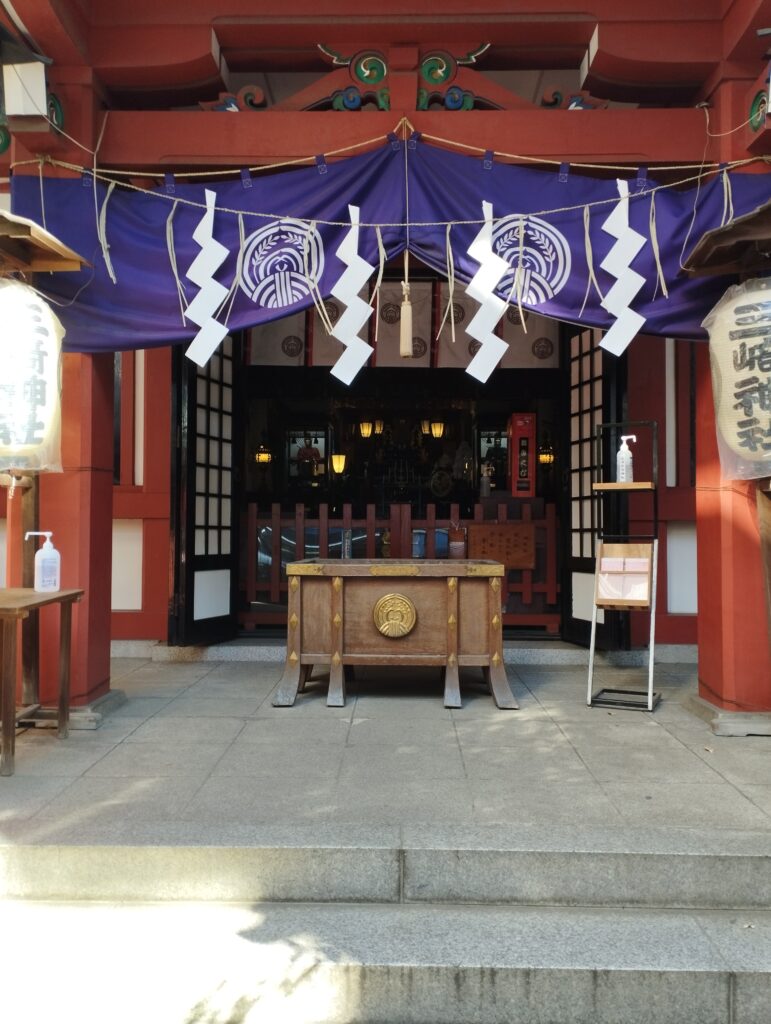
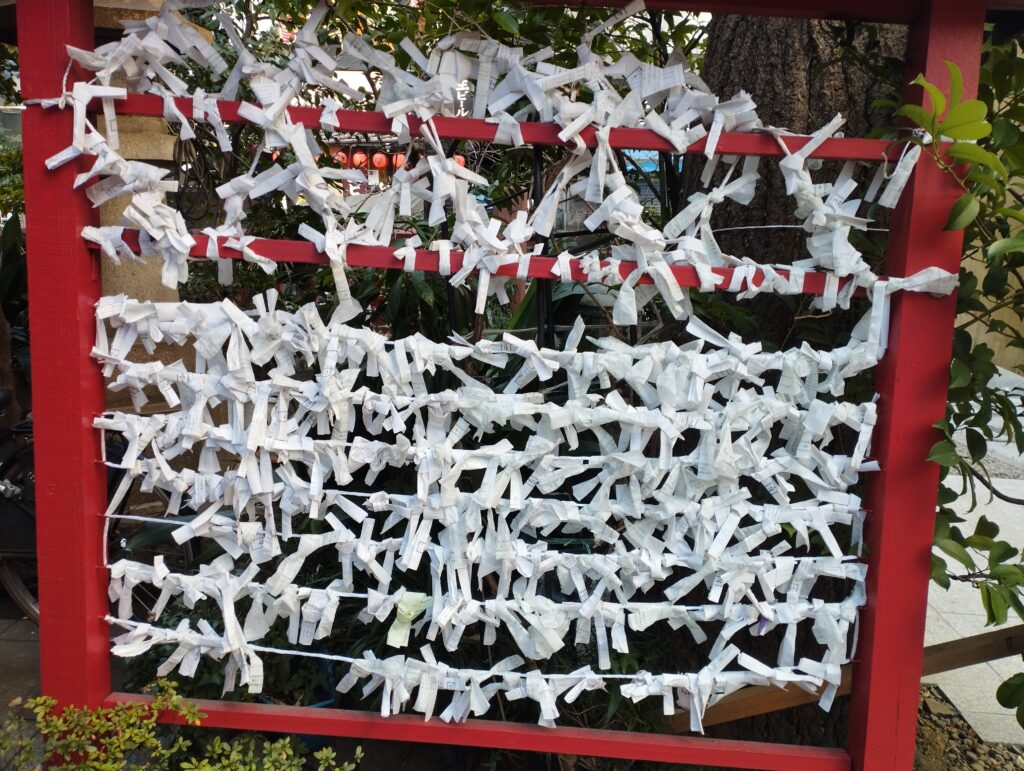
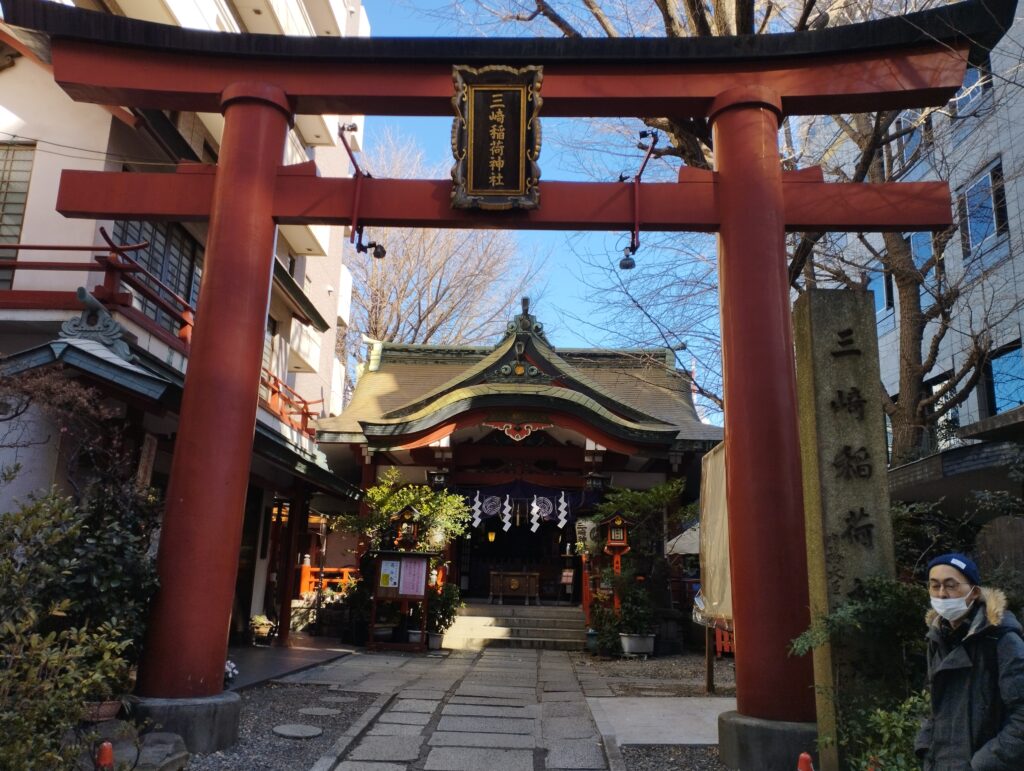
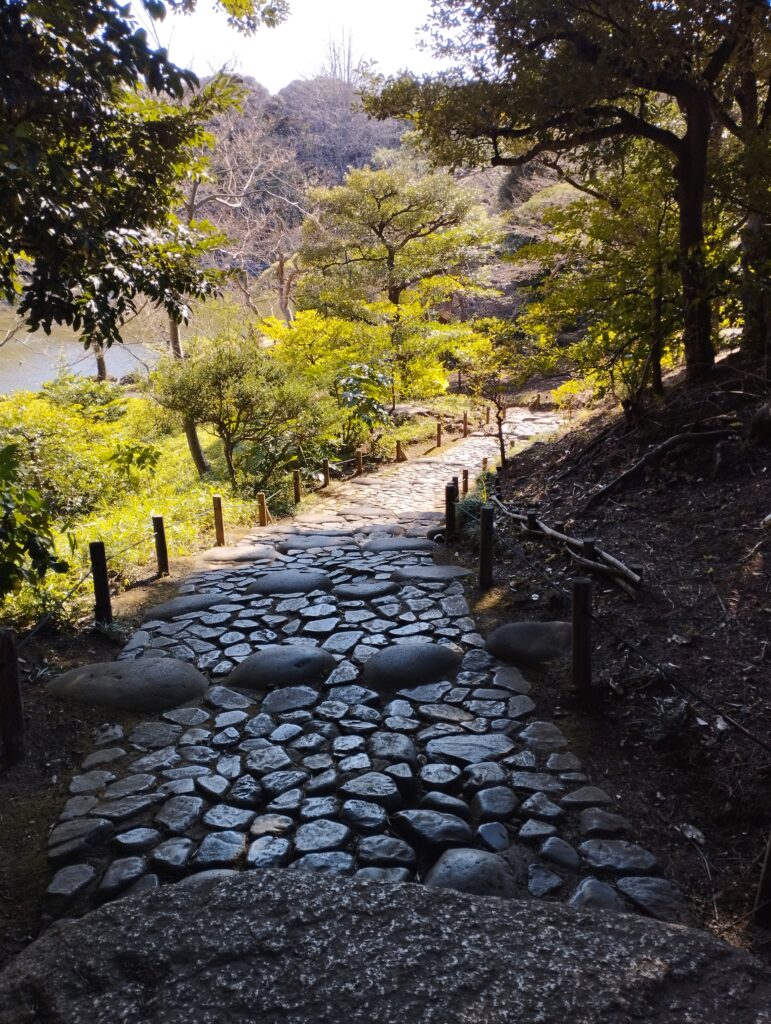
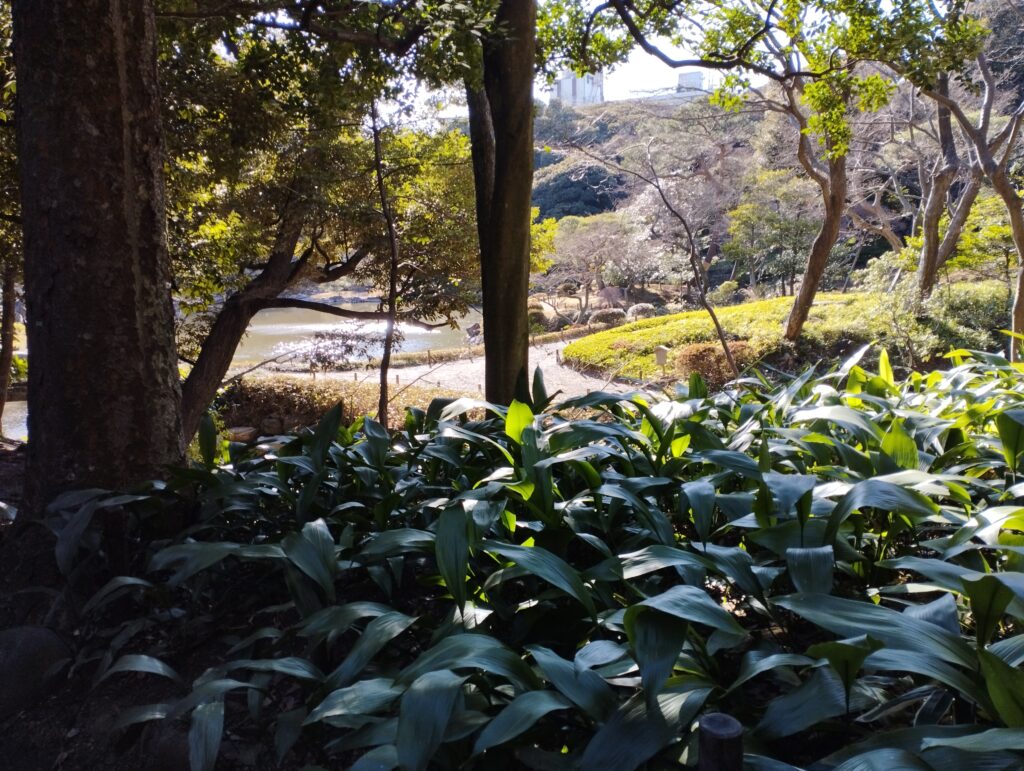
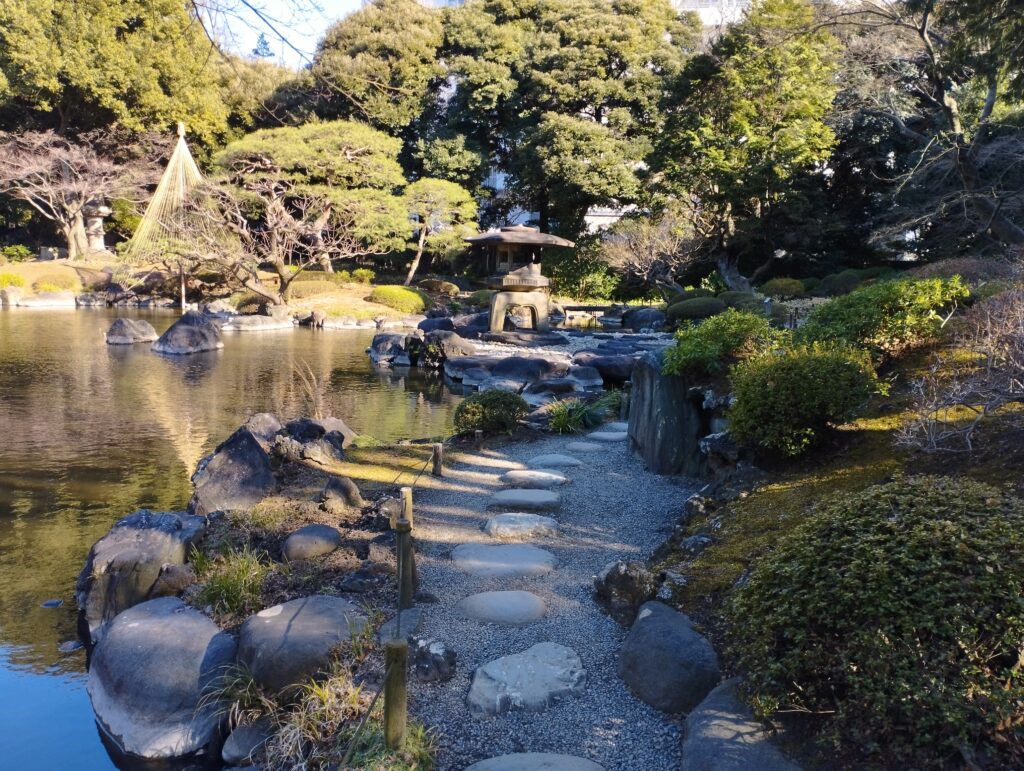
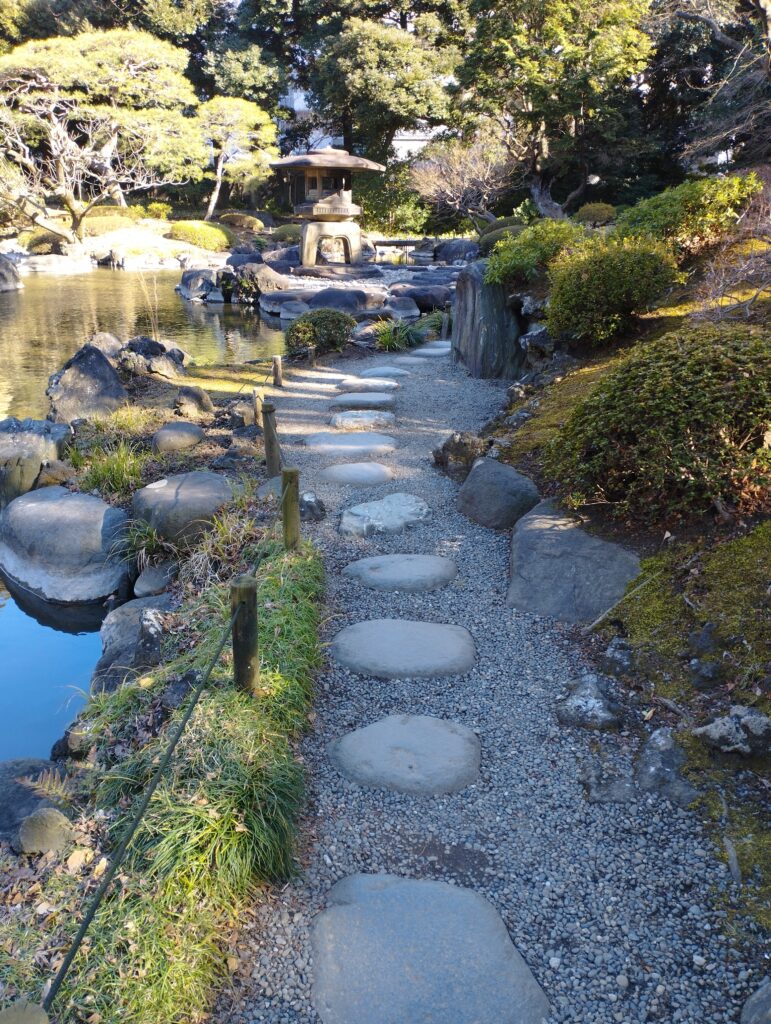
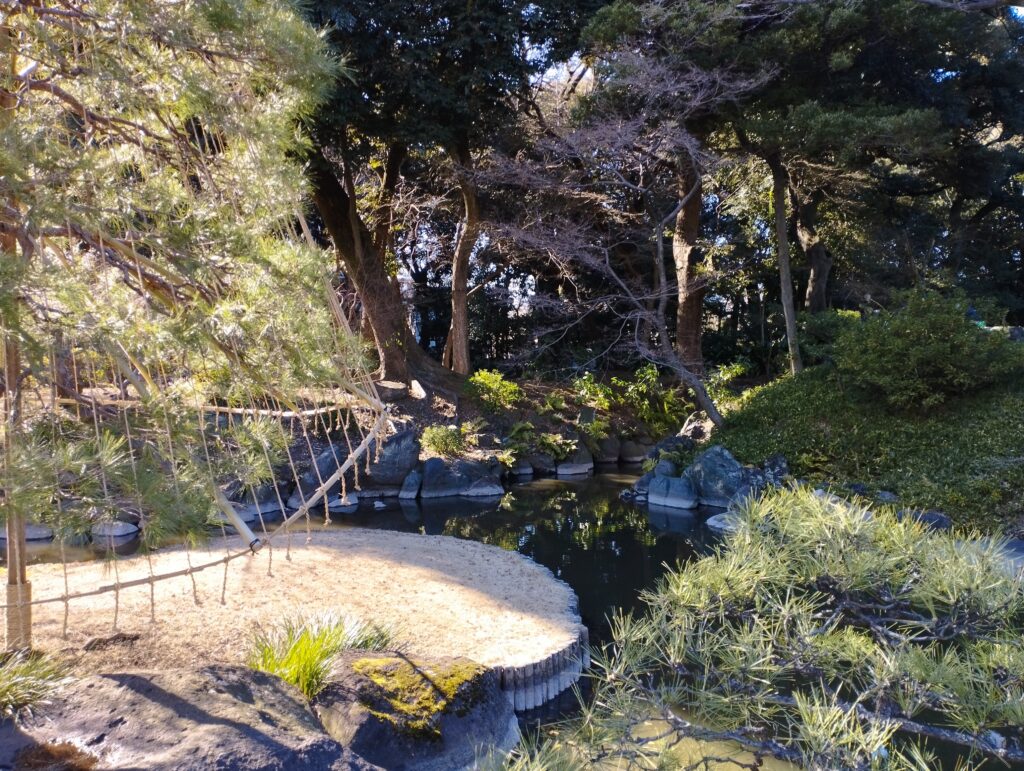
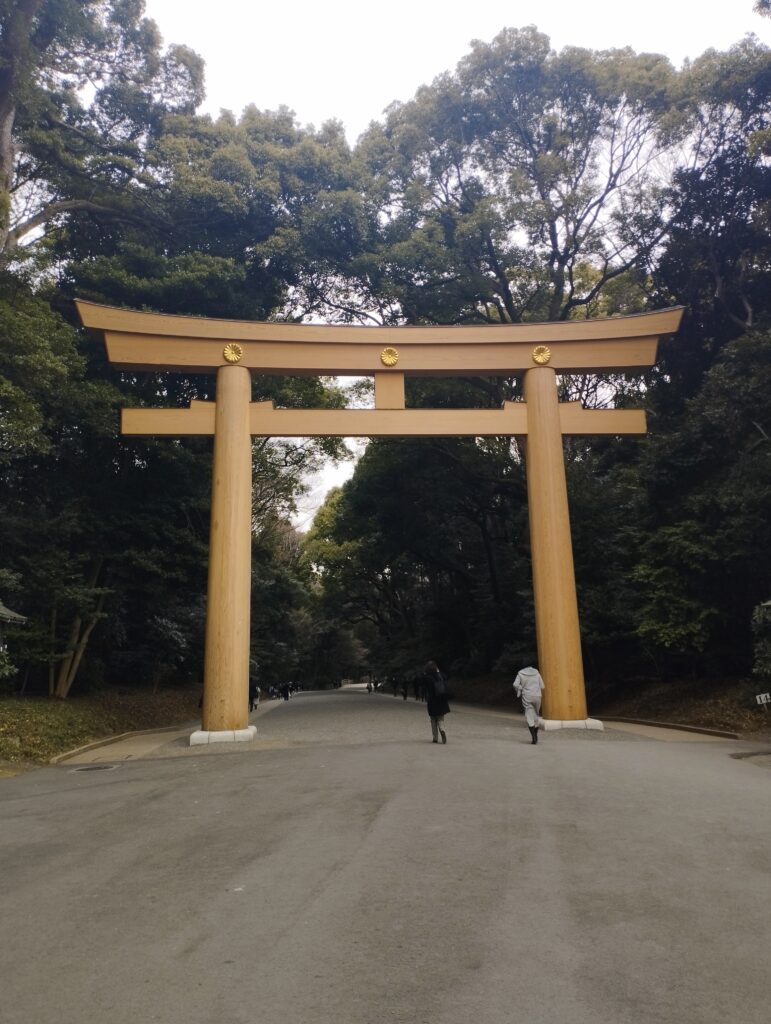
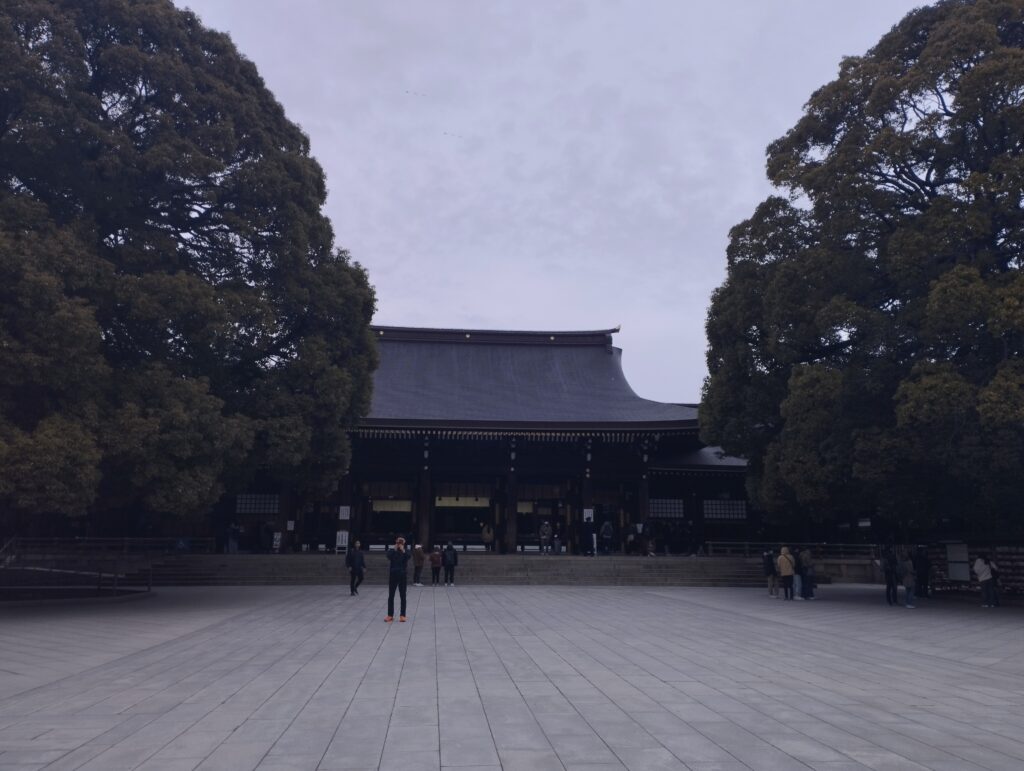
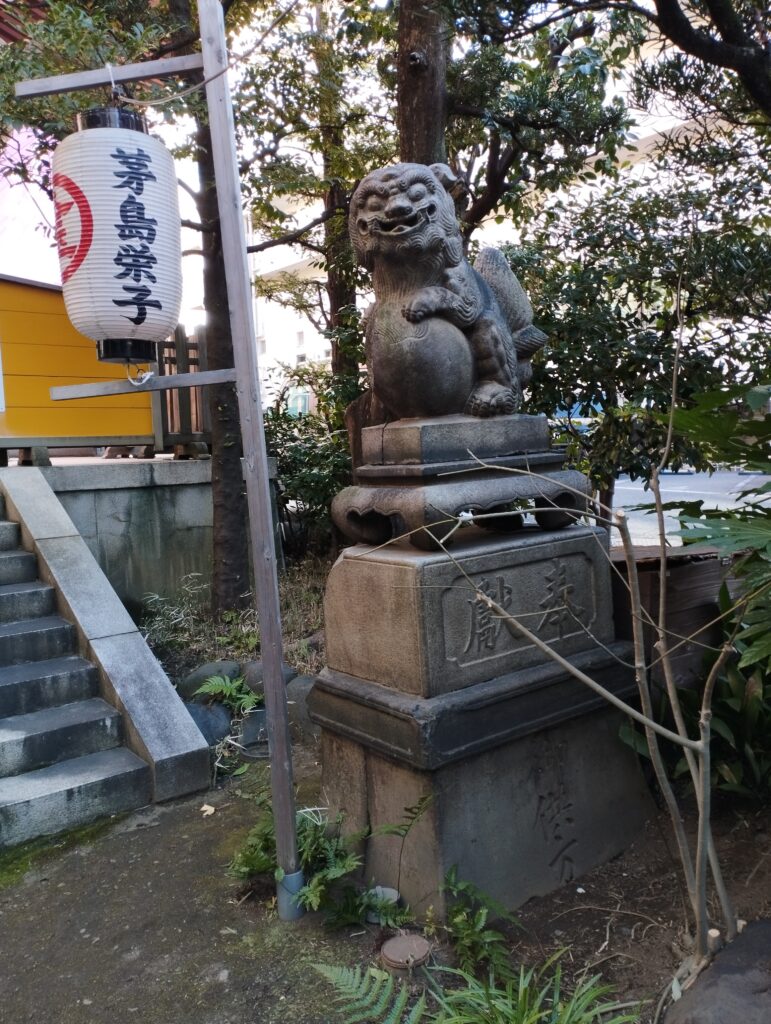
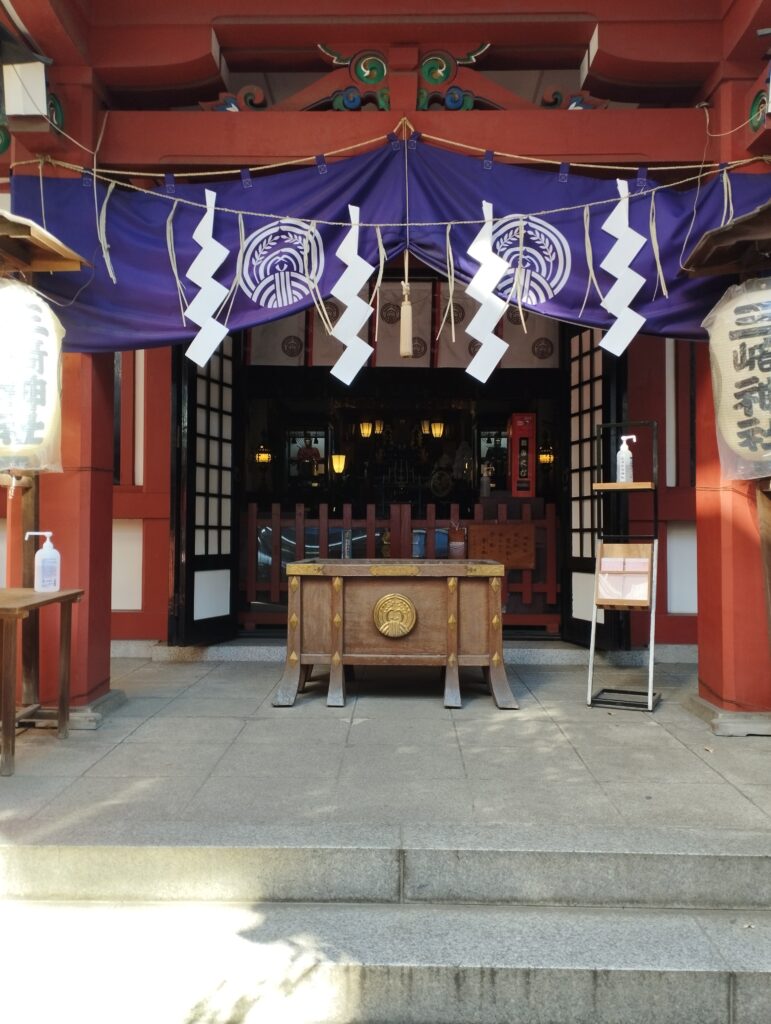
On Tuesdays we had older-culture related courses, going from shintoism to Japanese gardens and tea ceremony. We learnt a lot on people’s thoughts on shintoism thanks to volounteers, what are the main practices, where do they pray, what are the main elements in these sanctuaries, and if they see themselves as shintoists or not. About Japanese gardens, we learnt what are the different types of gardens (rock, tea, pond) and what we can find in them. We also studied tea ceremony, what people do there and how and the whole ritual around it and how meticulous people are during them. We also had the chance to participate in a few tea ceremonies after these courses.

On Wednesdays, we learnt about very broad topics among Japanese society and culture. We for example learnt about Japanese natural disasters like earthquakes, tsunami, Typhoons. We had the chance to go to a disaster prevention building(防災館)and to learn how to react in case any disaster would occur. Fun fact, I felt the first earthquake in my life on the day after this visit. During this course, we also talked about Japanese mindset and its origins, why they think more about the group than themselves. It was a very interesting course where I could learn a lot of things.

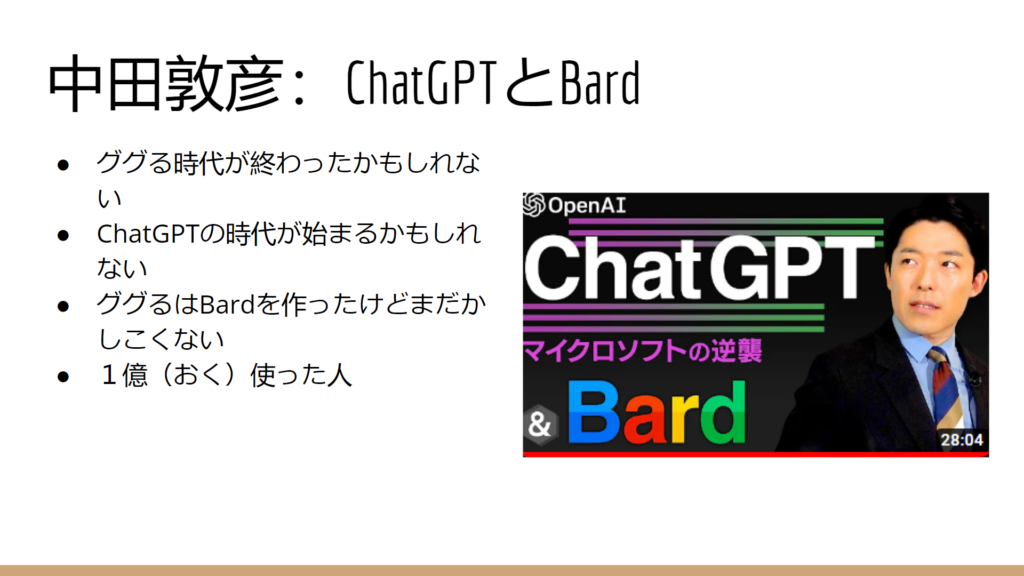
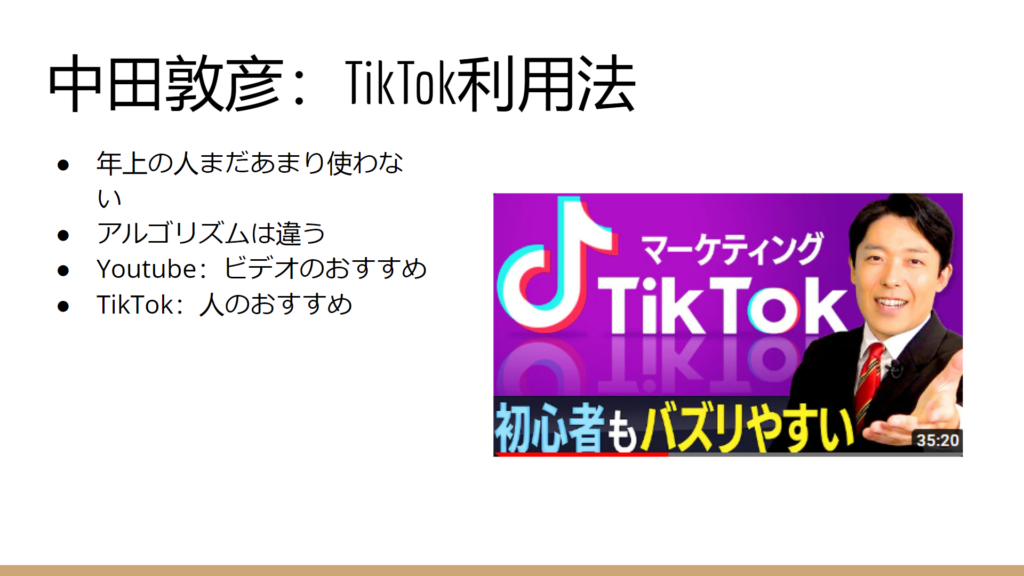
On Thursdays, we had autonomous learning courses. It’s a course where we could learn Japanese the way we wanted to with help from Japanese students. We were told that we could for example learn through musics, poems, movies, books and a lot more. I personally learnt most of the time using youtube videos from the « Nakata University » channel. Nakata is a youtuber talking about a very wide range of topics from self improvement tips to recent technologies or society. I felt that learning through his videos was very helpful as I could understand a good part of it and that I could learn and understand the other part thanks to the volounteers’ help.

School trips

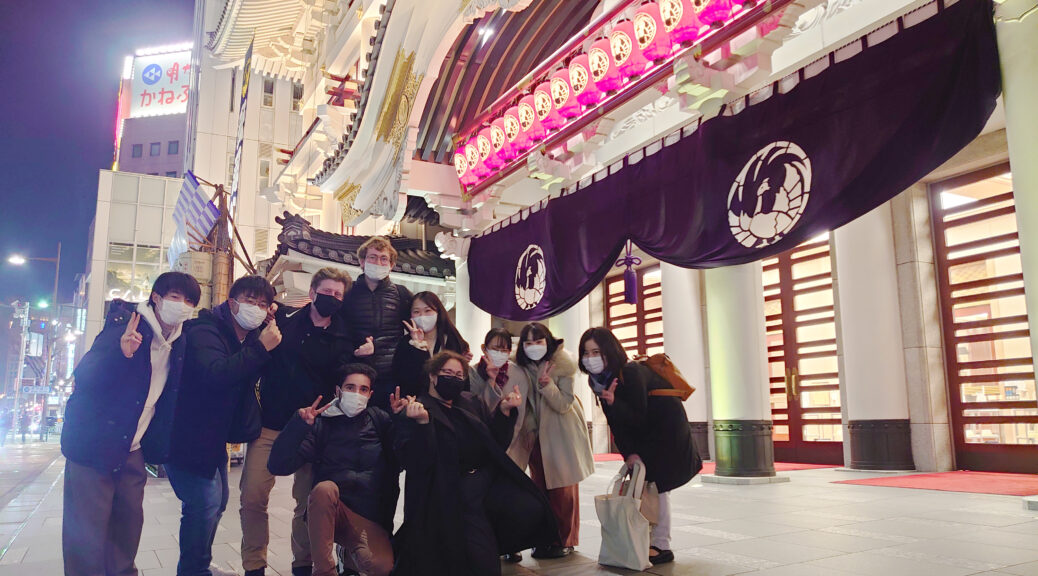
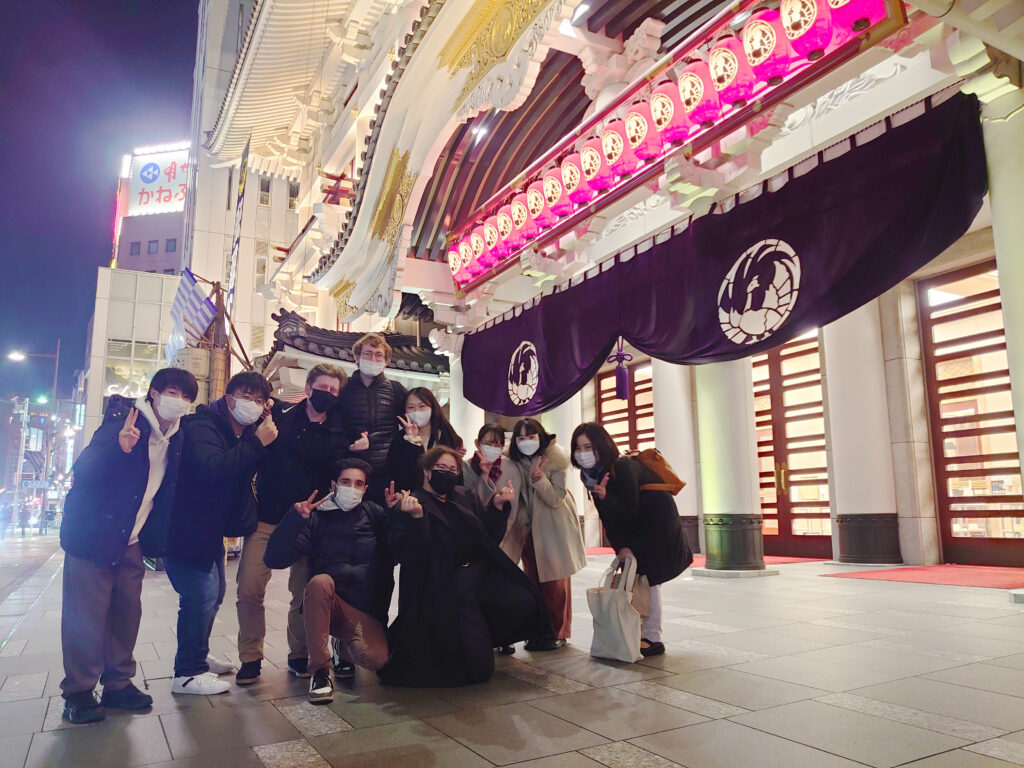
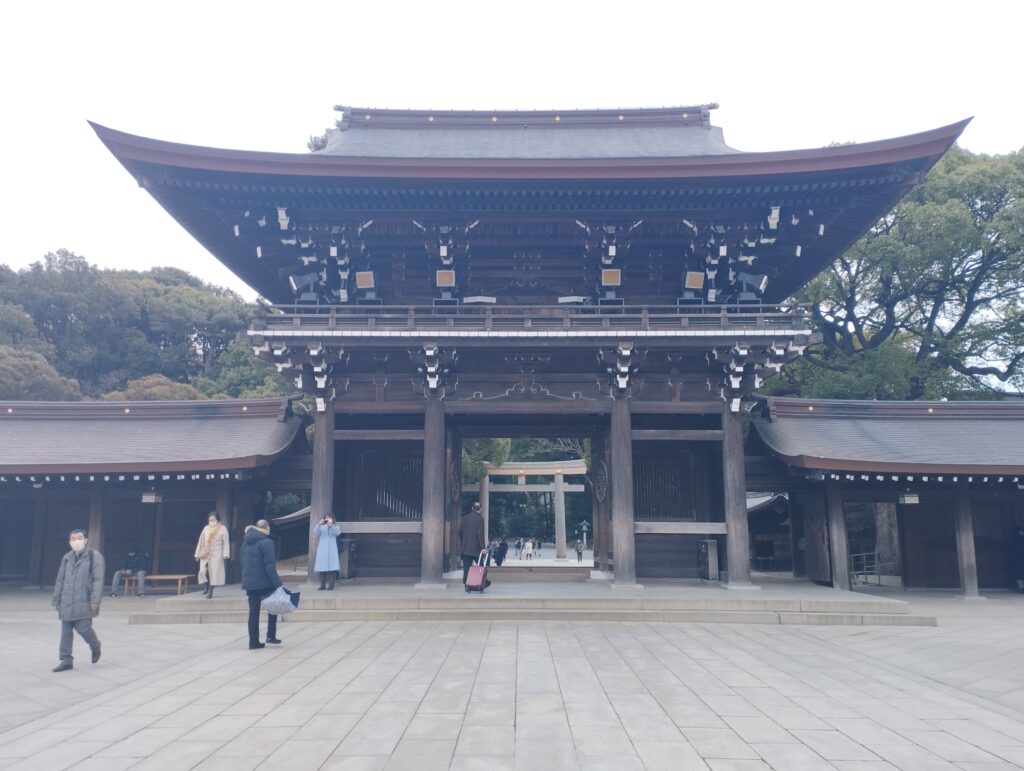
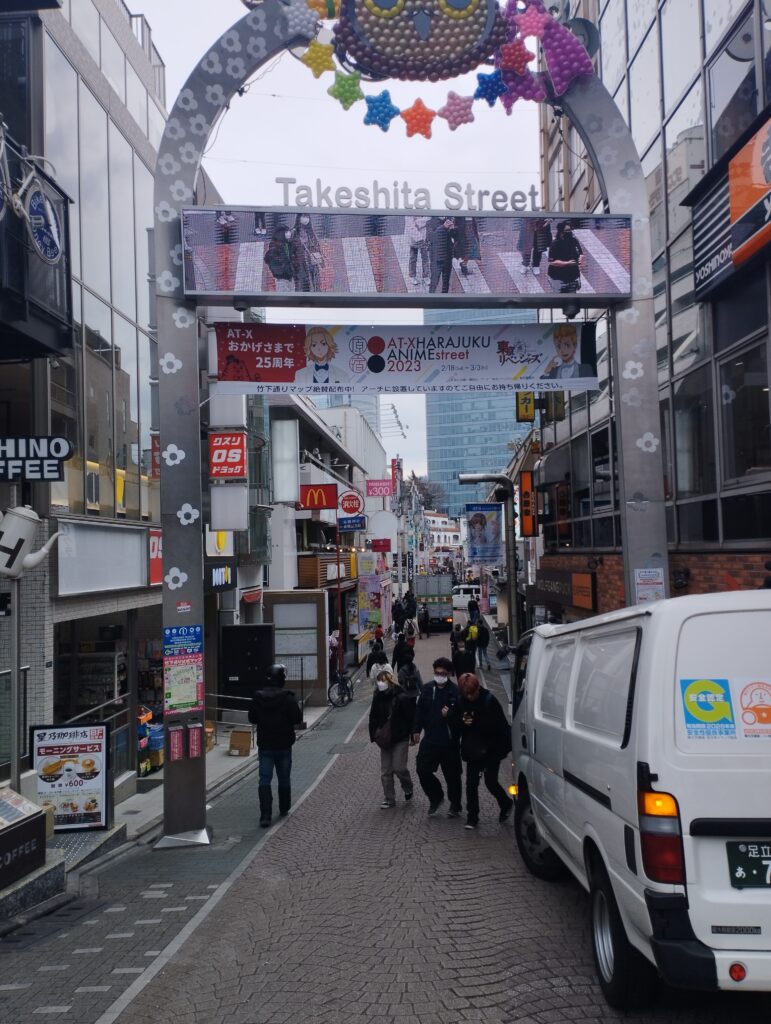
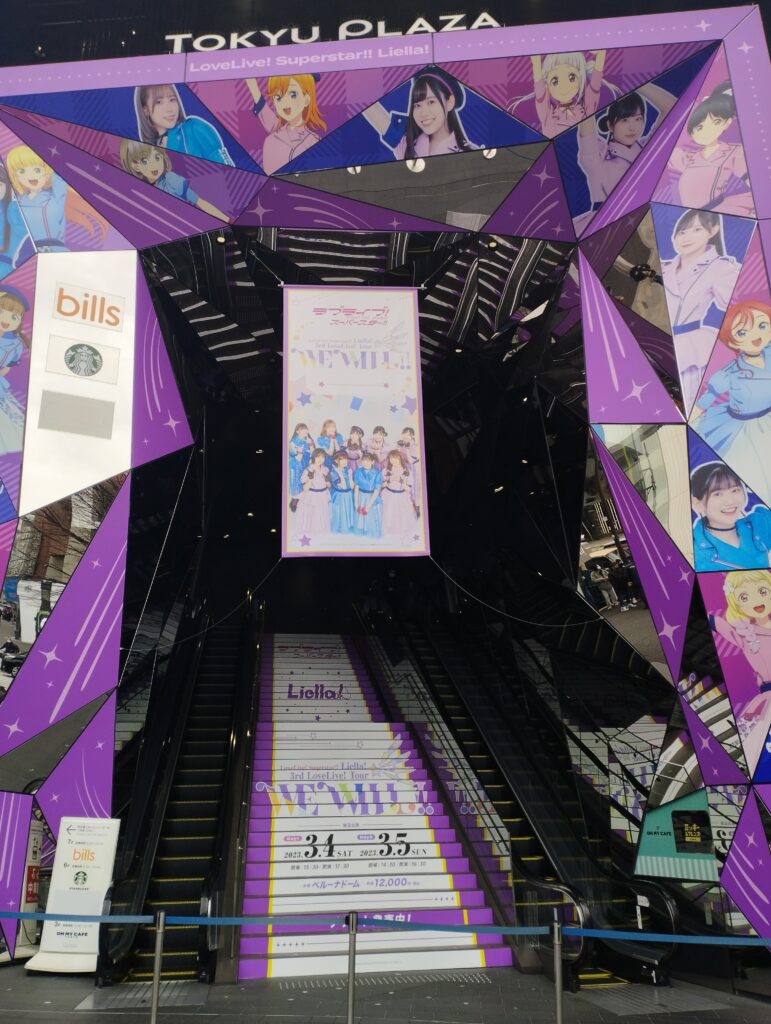
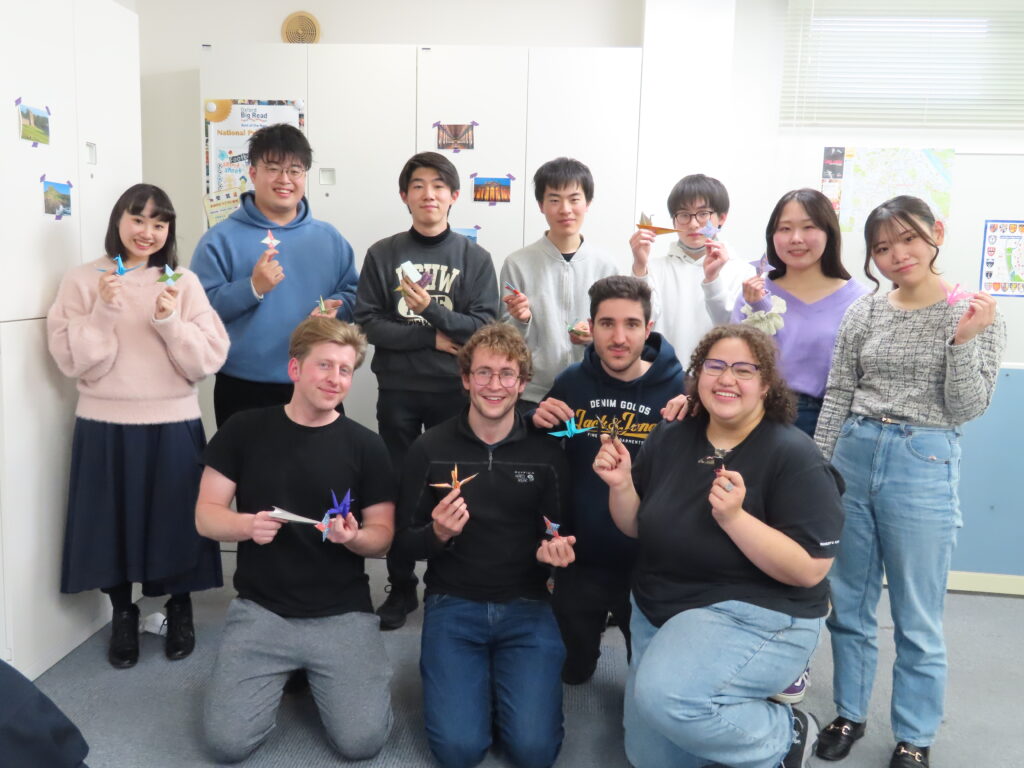
Apart from these courses, we also had a few school trips in different places, Tokyo and aside. We had for example a trip to watch a Kabuki play in the evening which was very interesting to see even if it was hard understanding what was being said because of the old Japanese used in this kind of plays. Outside the Kabuki building, we took my favorite picture of my whole 3-month time in Japan. We also had a trip we prepared ouselves in Harajuku to be able to witness the old and modern sides of this district which is something that we can find a lot in Tokyo, as well as another one in Yokohama.

My favorite picture from my time in Japan

Conclusion

To conclude, I definitely could fulfill the main goal of this trip which was Japanese language learning as well as witnessing myself the cultural differences and to see if I liked the life there or not, and the answer is an undoubtful yes. I want to give a special thanks to everyone who was aside us from the university, from office workers who helped us a lot in everything we wanted to do, to teachers that were always very energetic, smiling and giving their all to help us as well as to volounteering Japanese students thanks to whom we could learn even more Japanese, build great friendships and spend some great time all together in Japan !

Weather and landscapes in Växjö

Weather and landscapes in Växjö

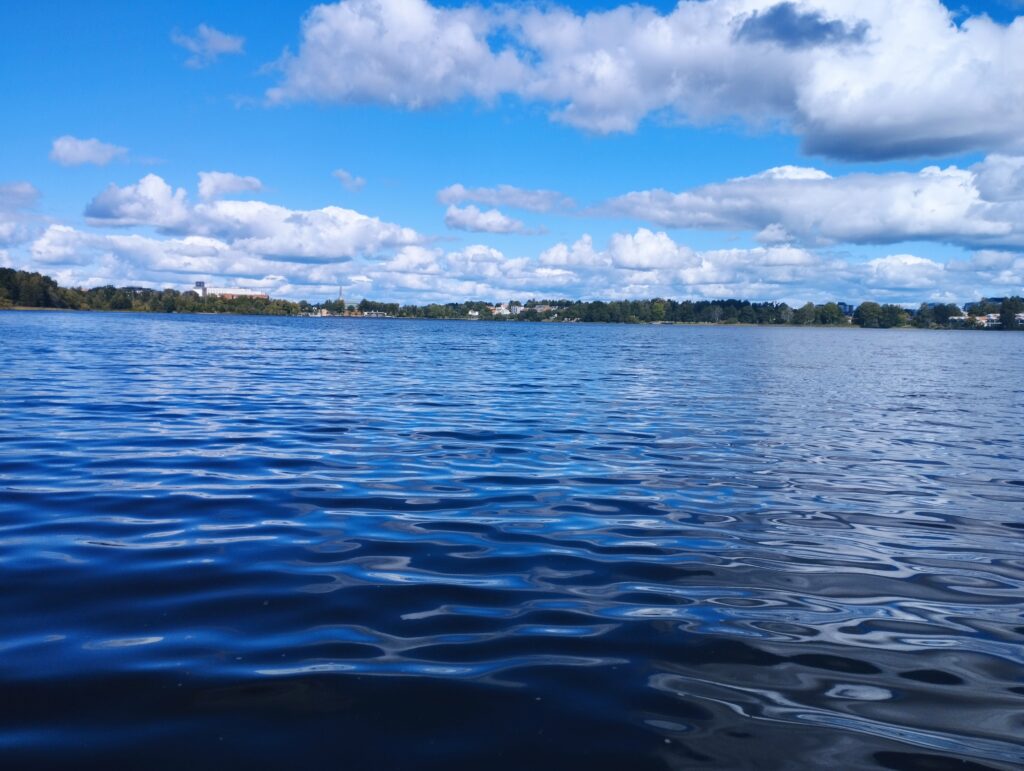
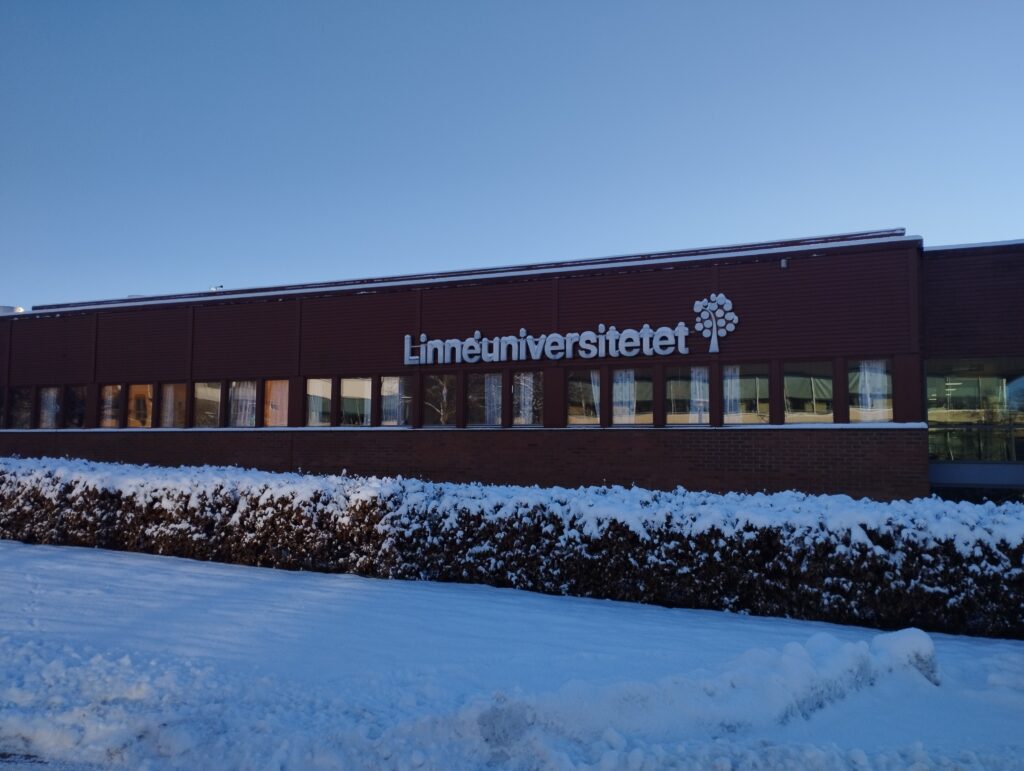
What I enjoyed the most during my semester in Växjö was nature and its beautiful landscapes. Växjö is a little city of about 71k inhabitants surrounded by several lakes and is known for being the greenest city of Europe.

Being in Sweden from the end of August until early January, I’ve been able to go through three different seasons, seeing the end of summer, fall and the early winter.

Summer

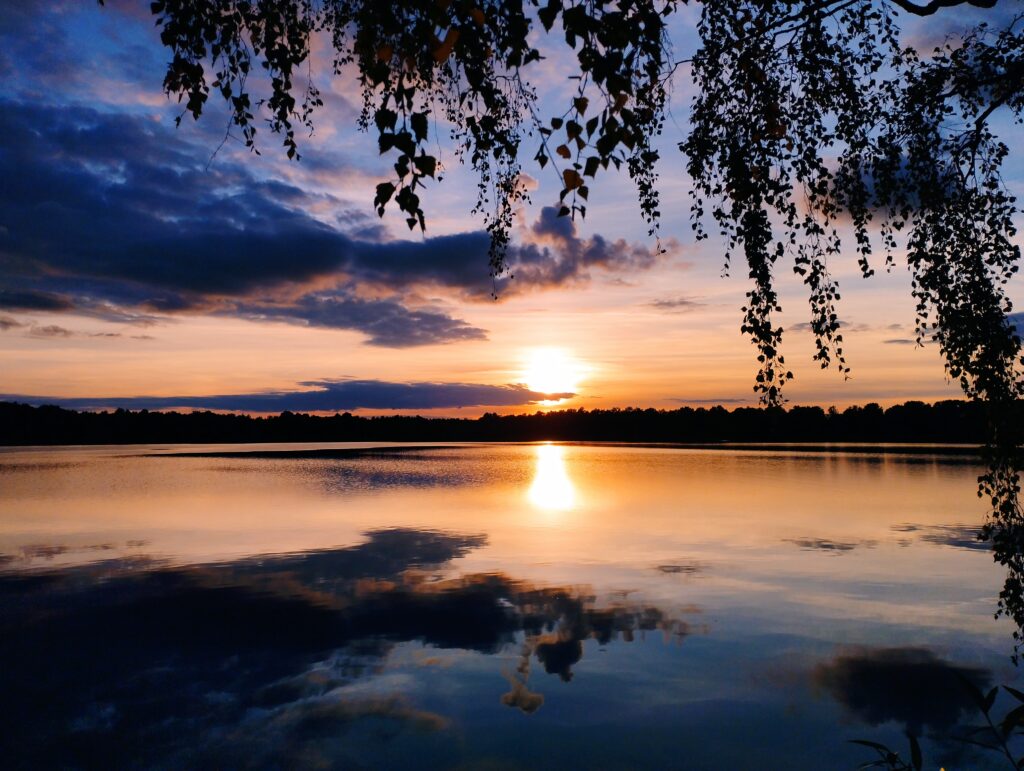
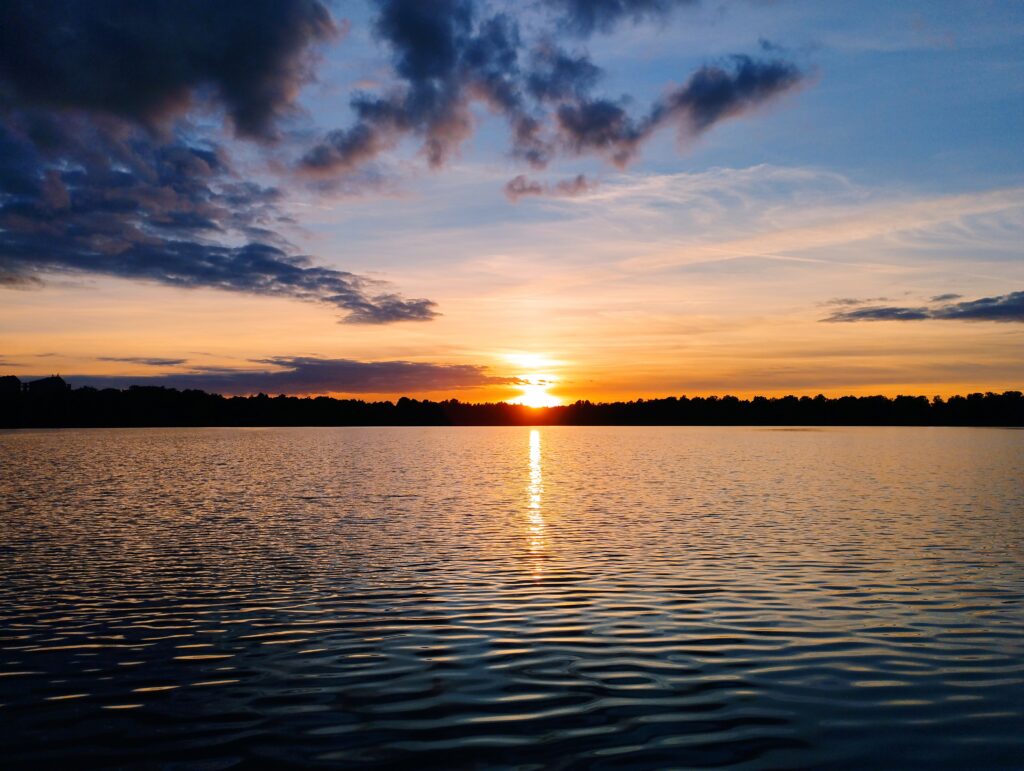
Beautiful landscape at a lake during sunset

Summer in Växjö feels pretty good with temperatures around 20 to 25°C. It’s a temperature where you can enjoy everything, from barbecues to sports or bathing in lakes. It was a good time for me to arrive in Sweden knowing what I would have to face in winter.

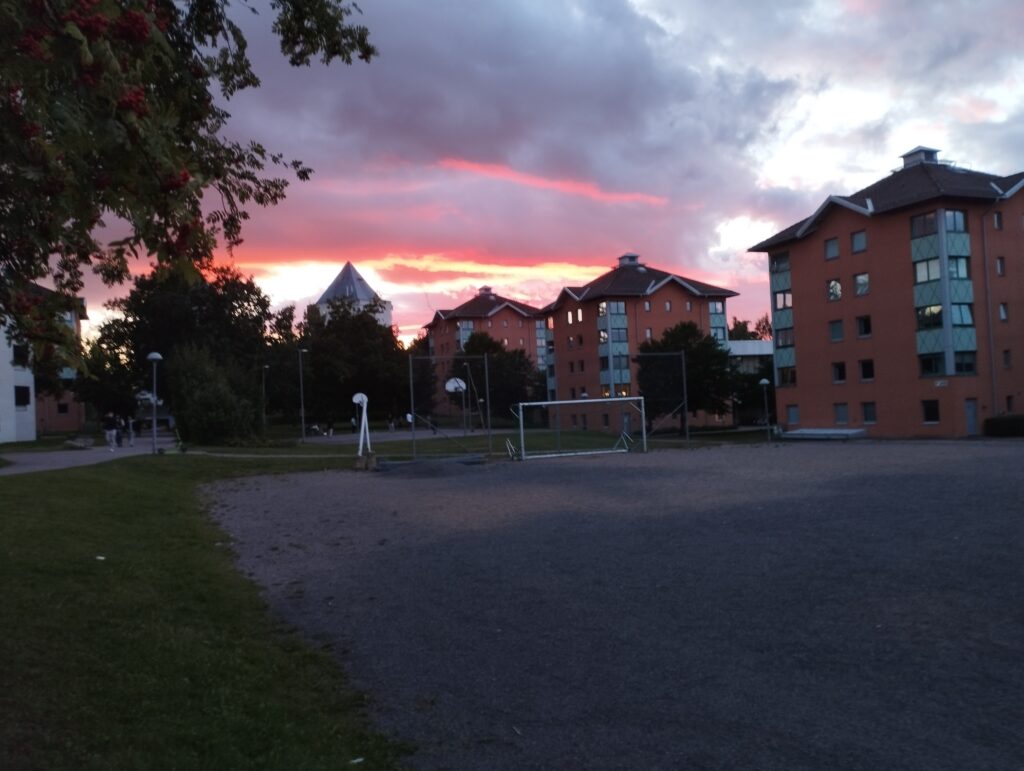
Picture taken on the very last day of summer.

Fall

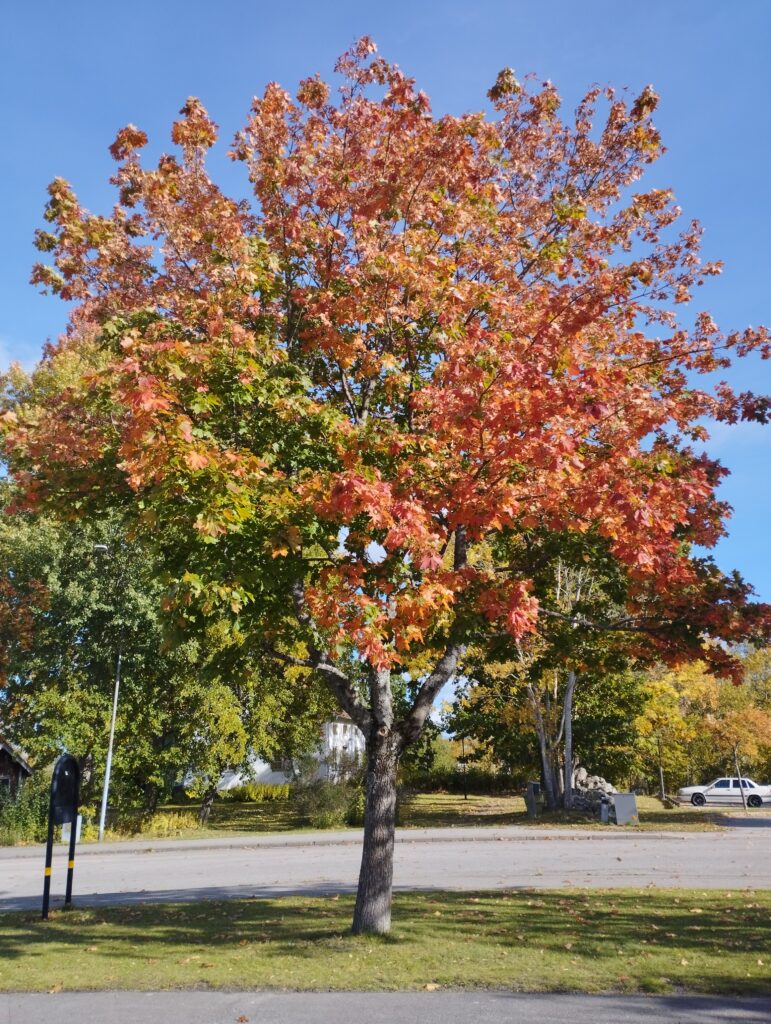
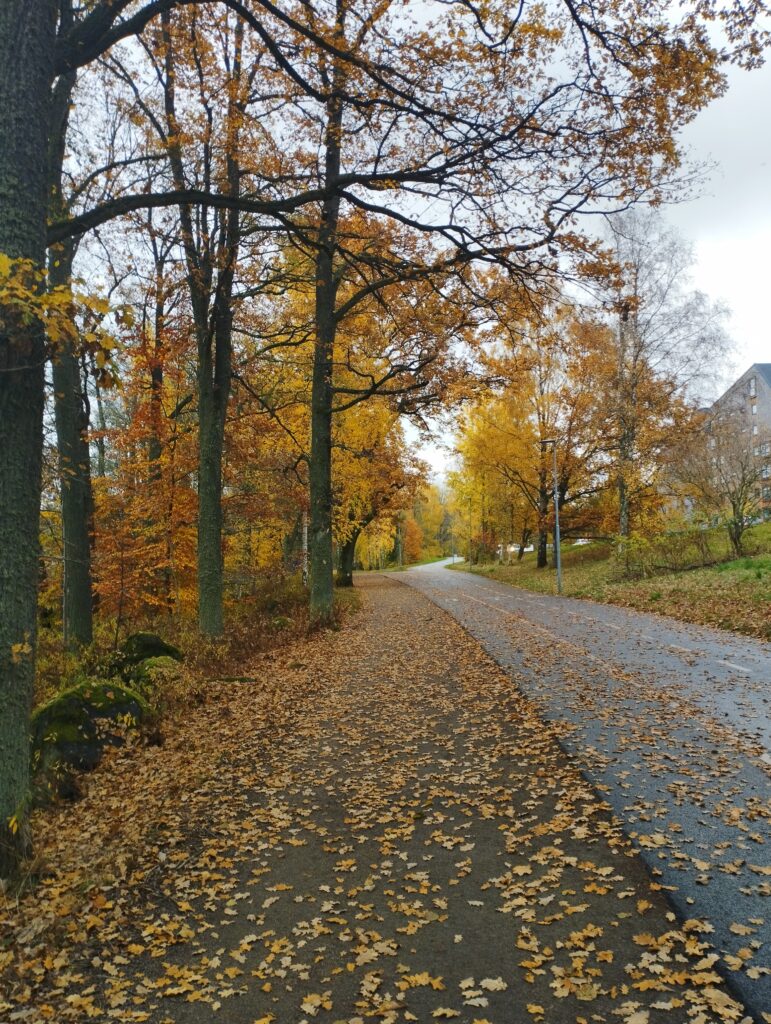
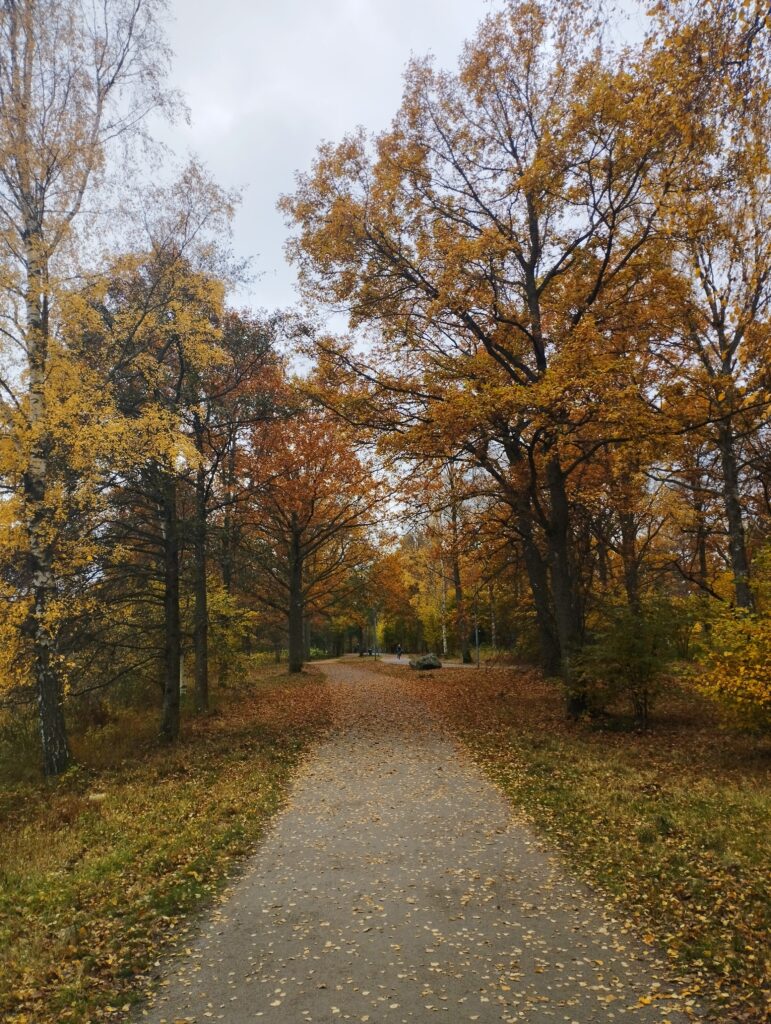
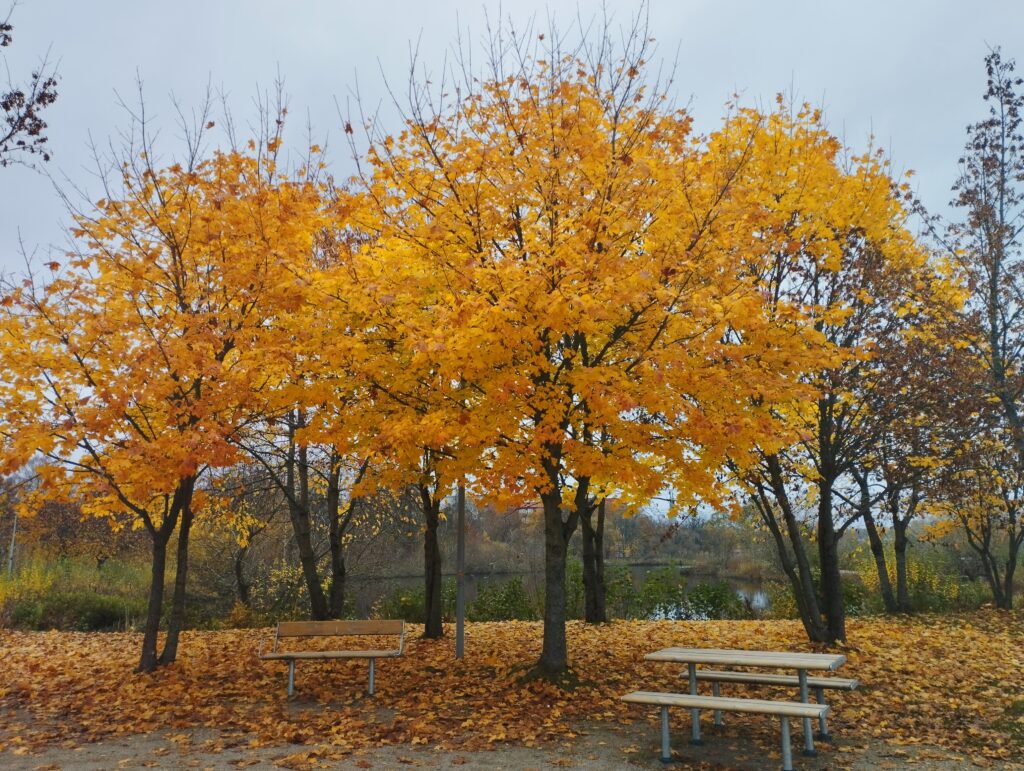
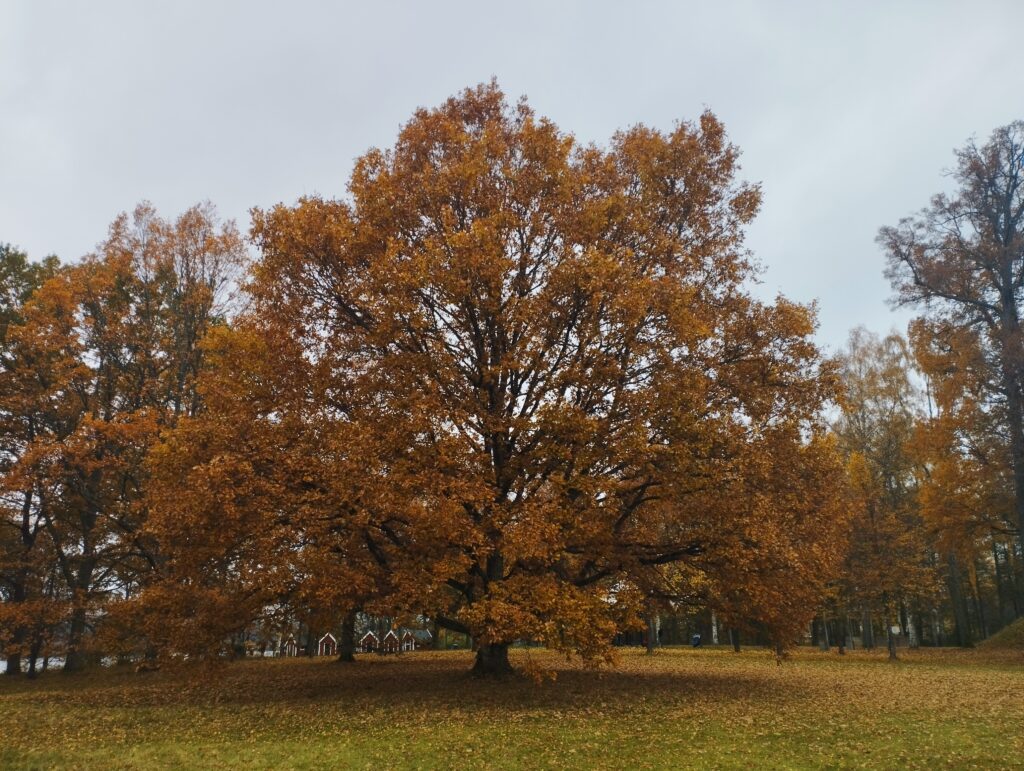
Fall, like every other season, is a very beautiful moment in Växjö. Leafs start turning yellow, orange, red, and make it even more enjoyable to have a little run around the lakes.

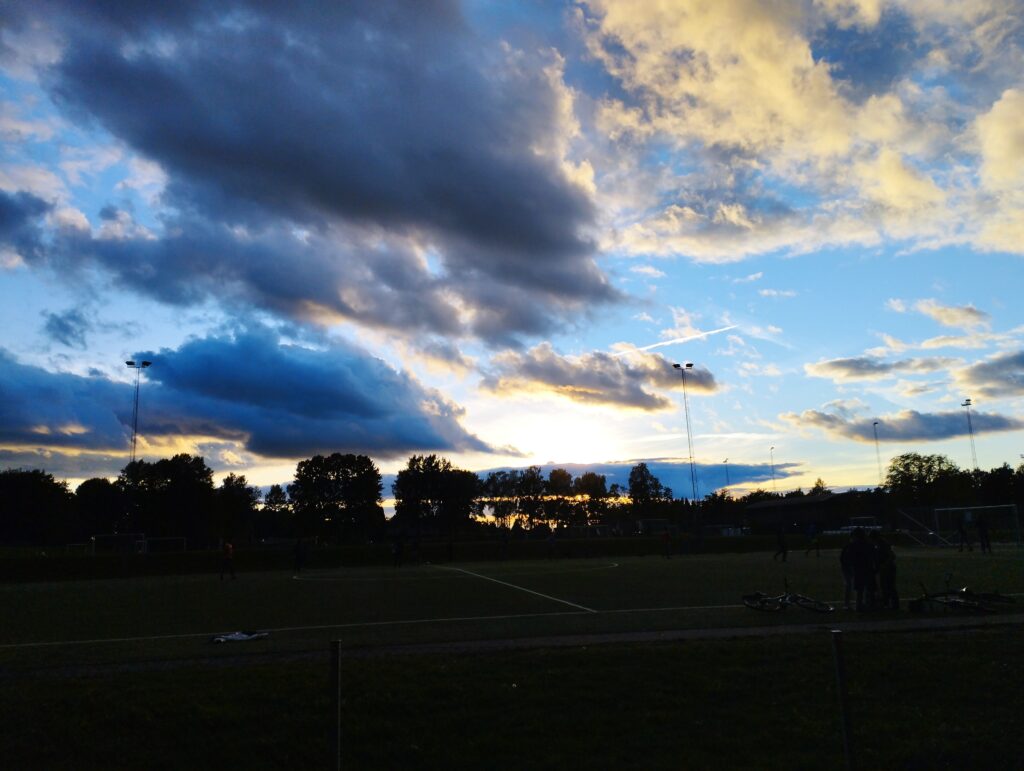
Something special about Växjo and Sweden in general is that, at least from my experience, it is very often (not to say all the time) cloudy, and you also have a lot of rain that comes with it. Happily, the rain there is more often than not very thin and enjoyable.

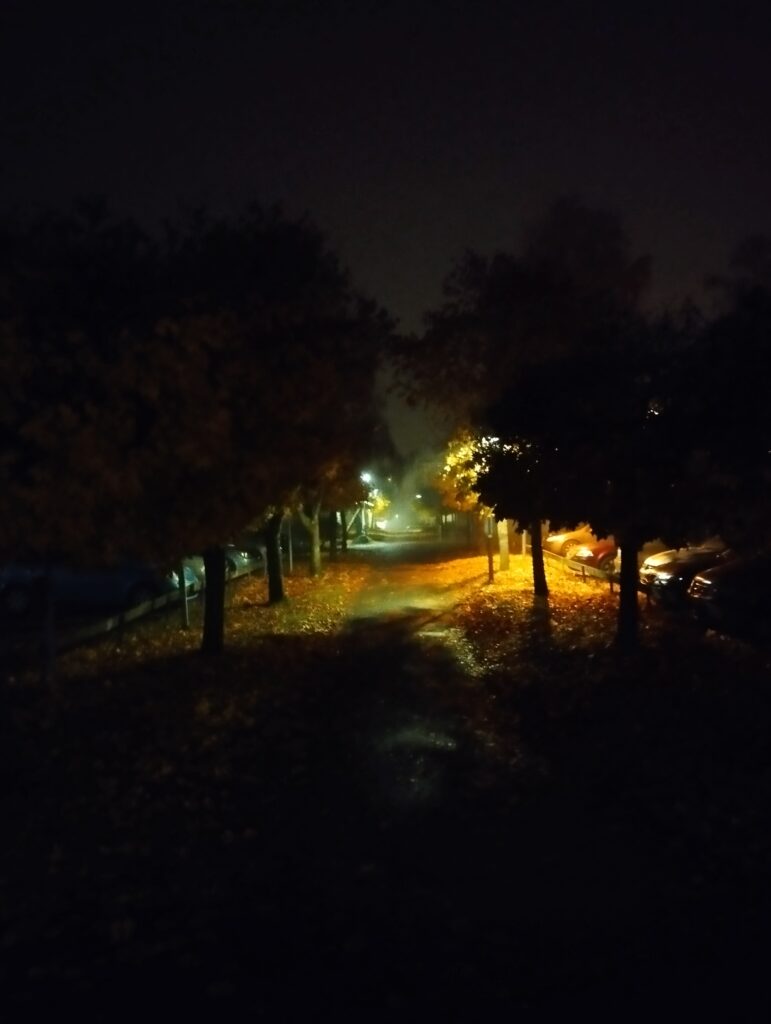
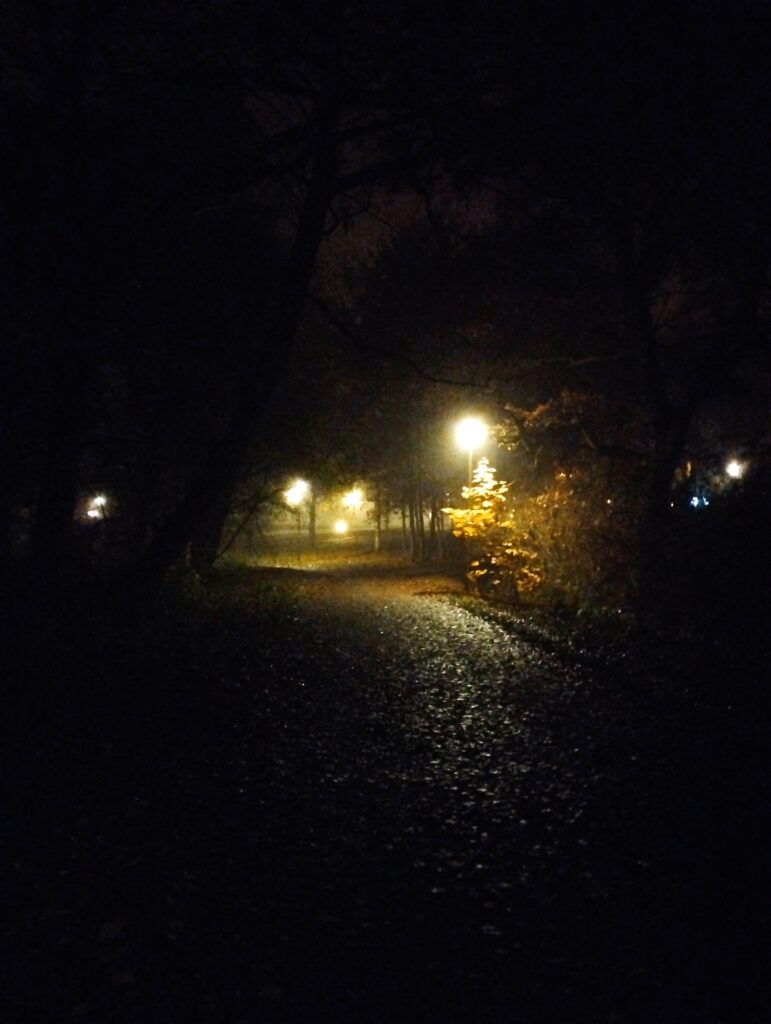
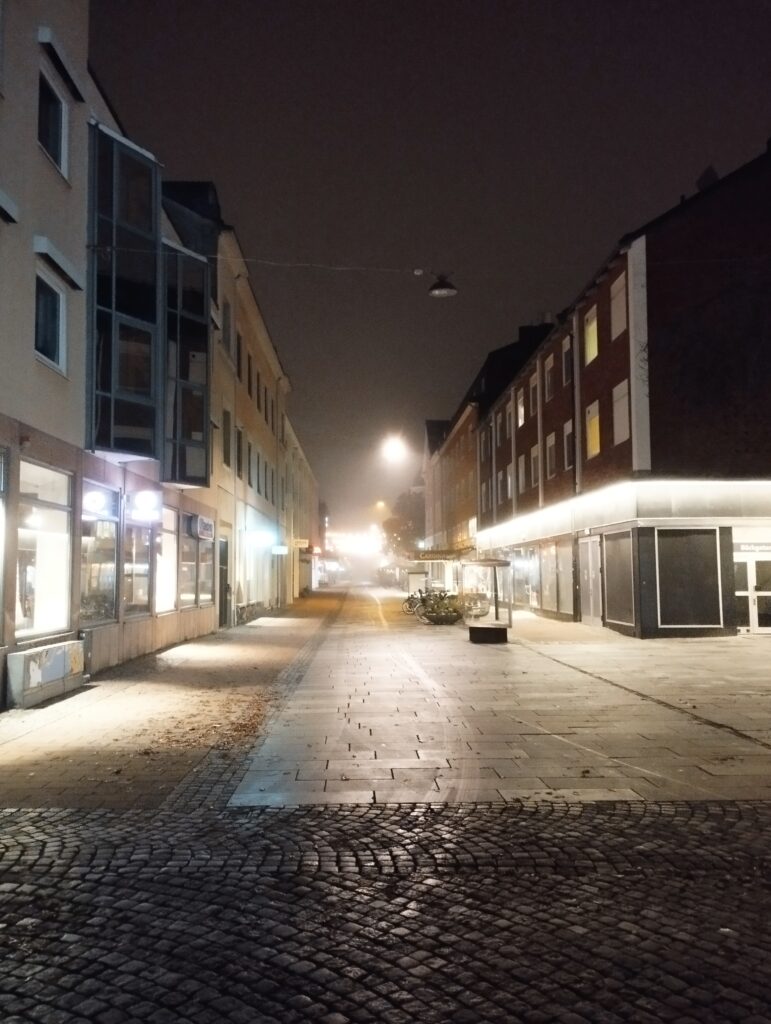
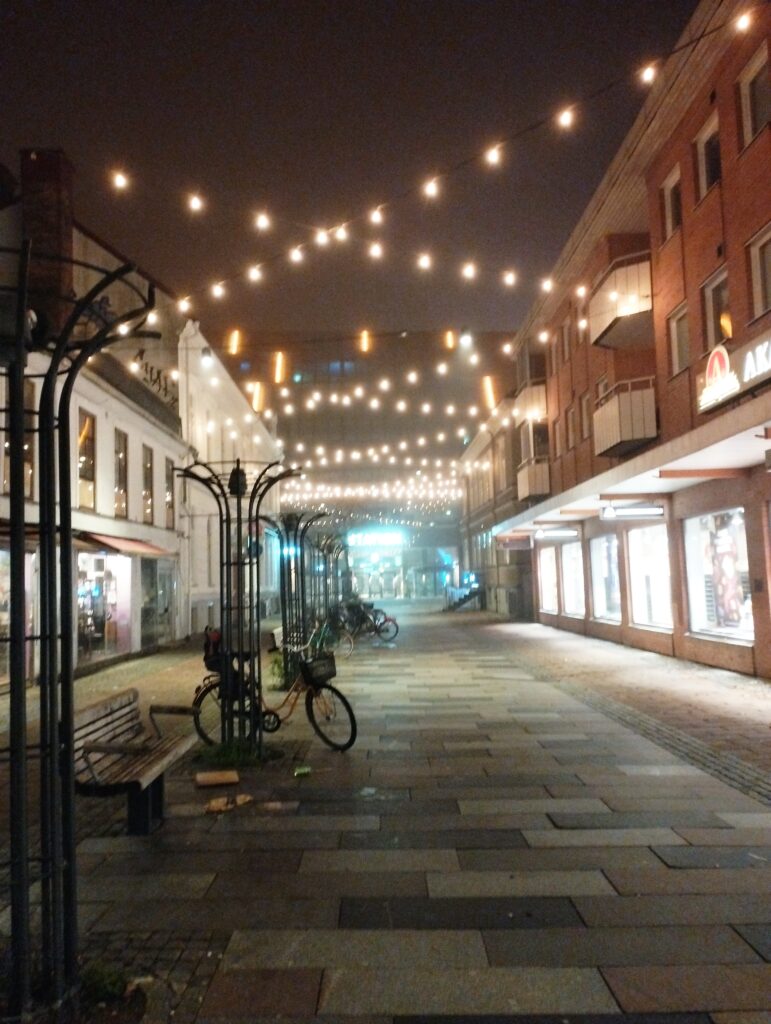
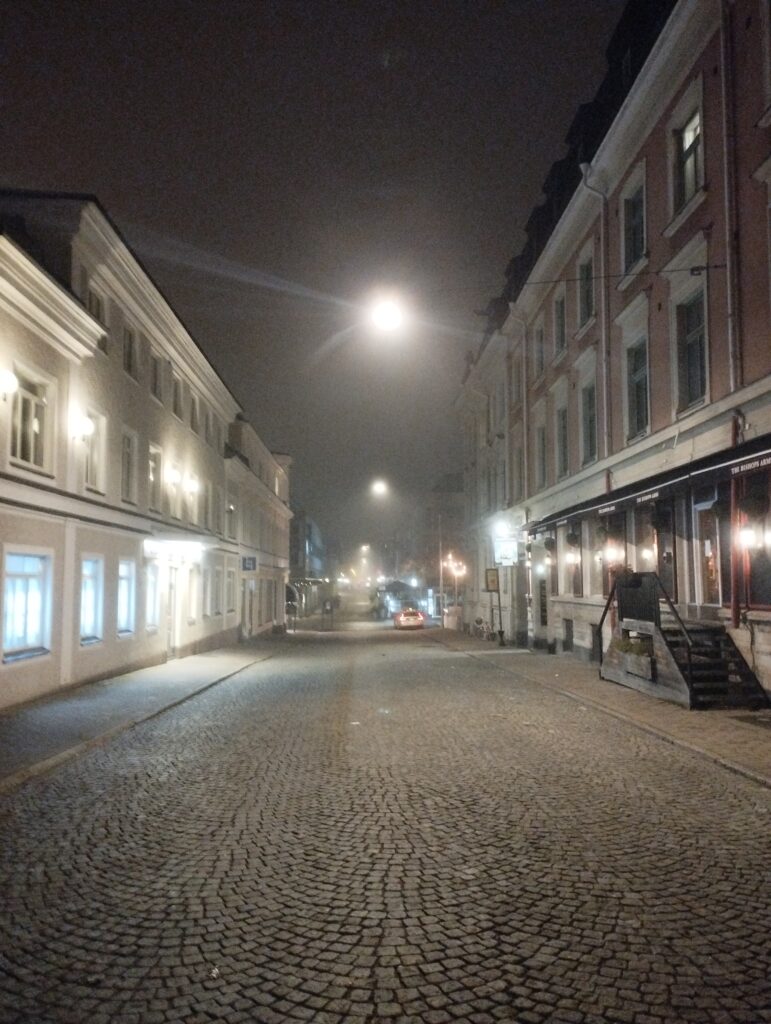
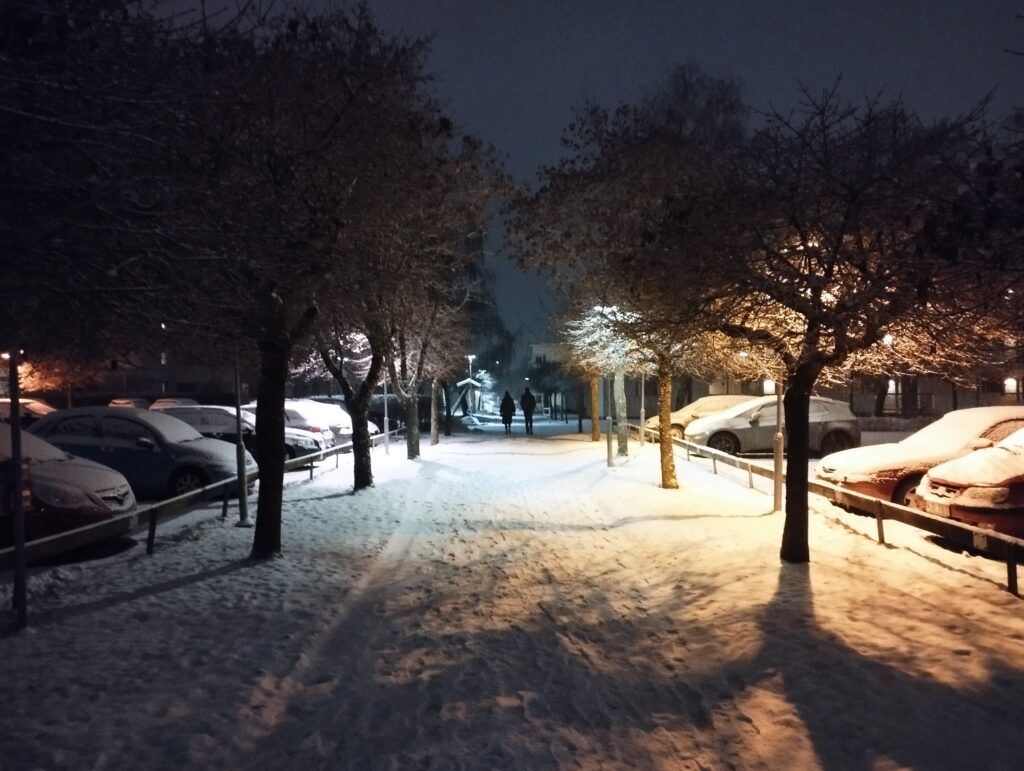
If you’re going for a walk at night, you’ll be able to witness totally different landscapes in darkness, as much in the city as in more natural places.

Winter

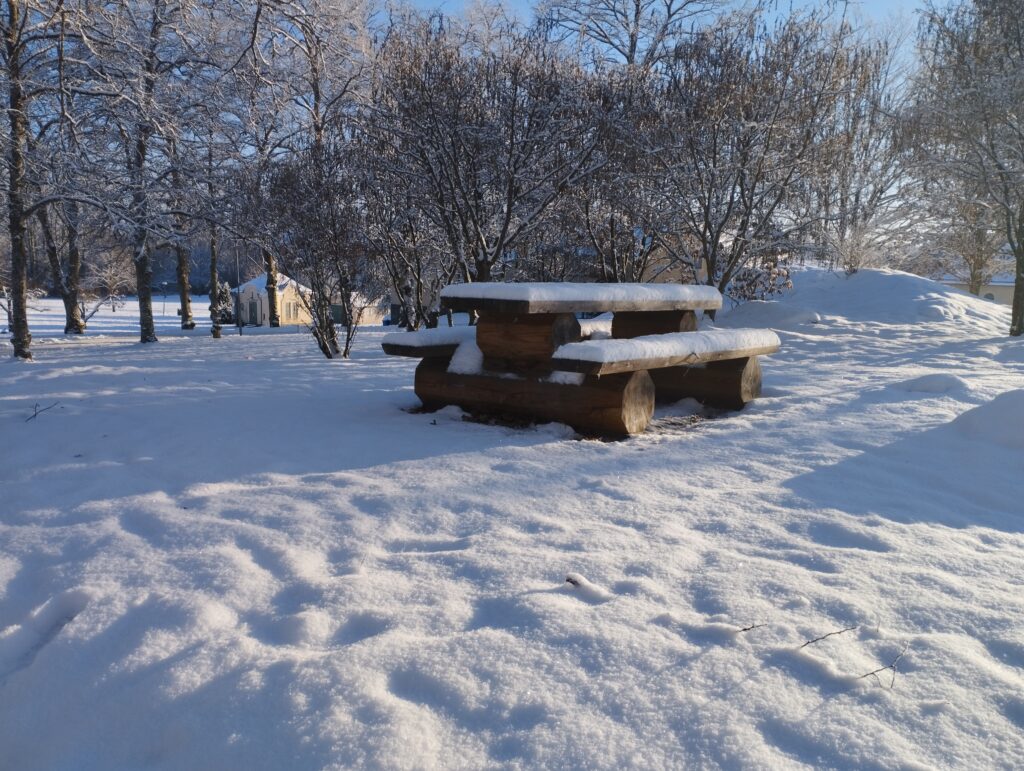
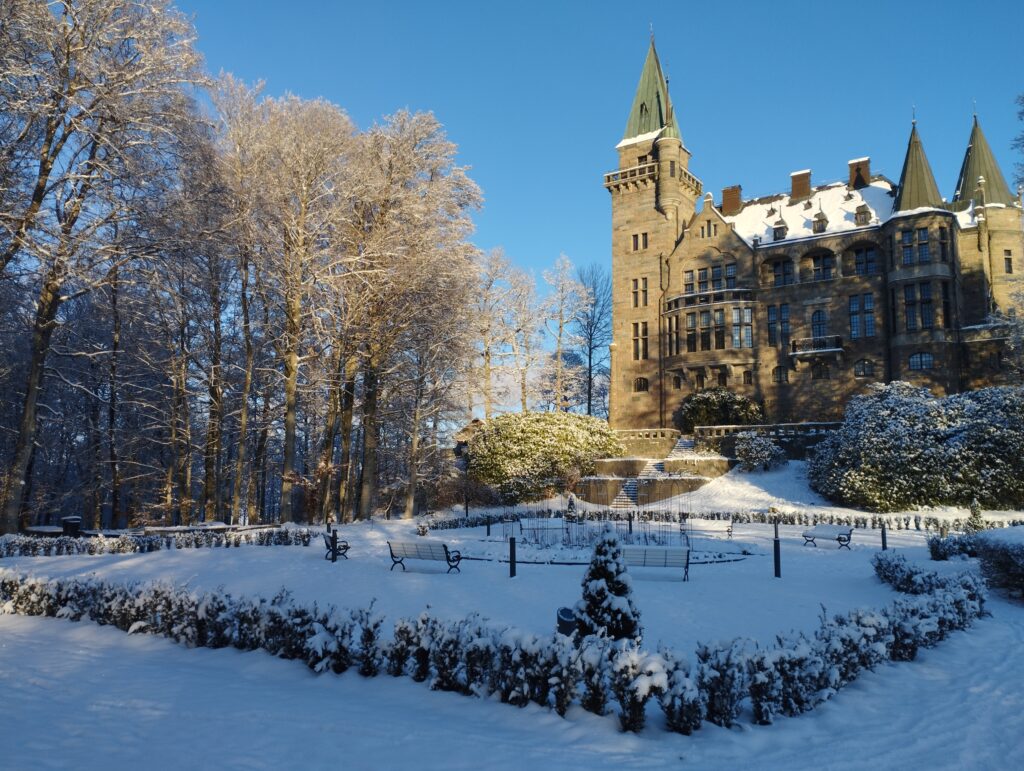
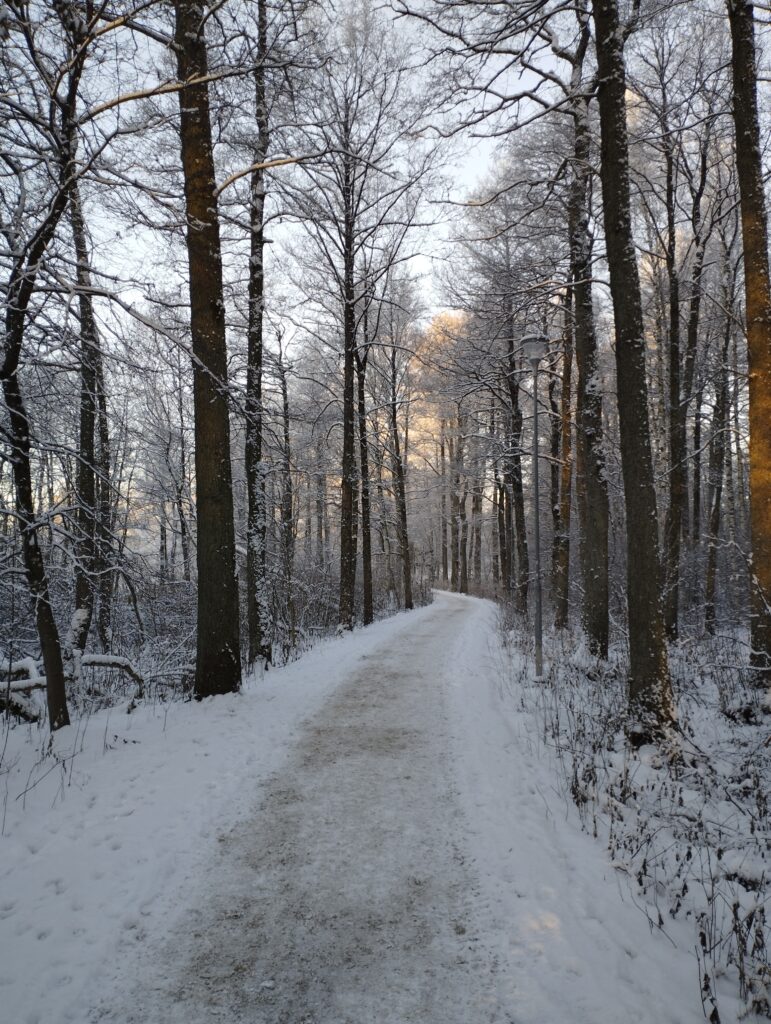
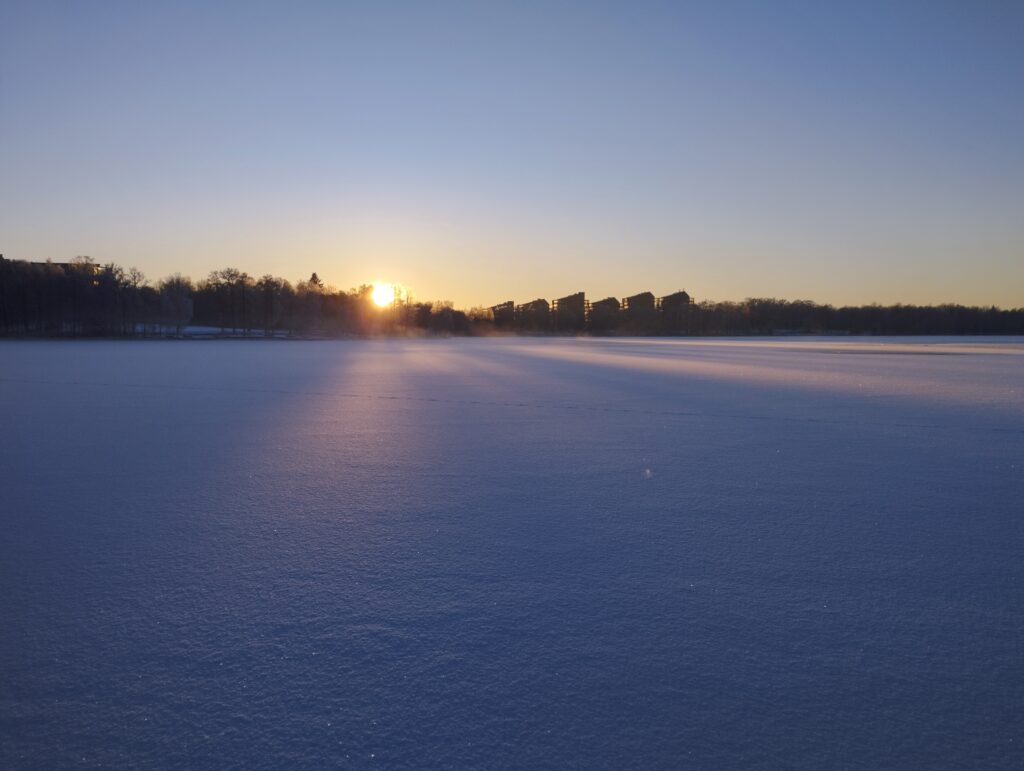
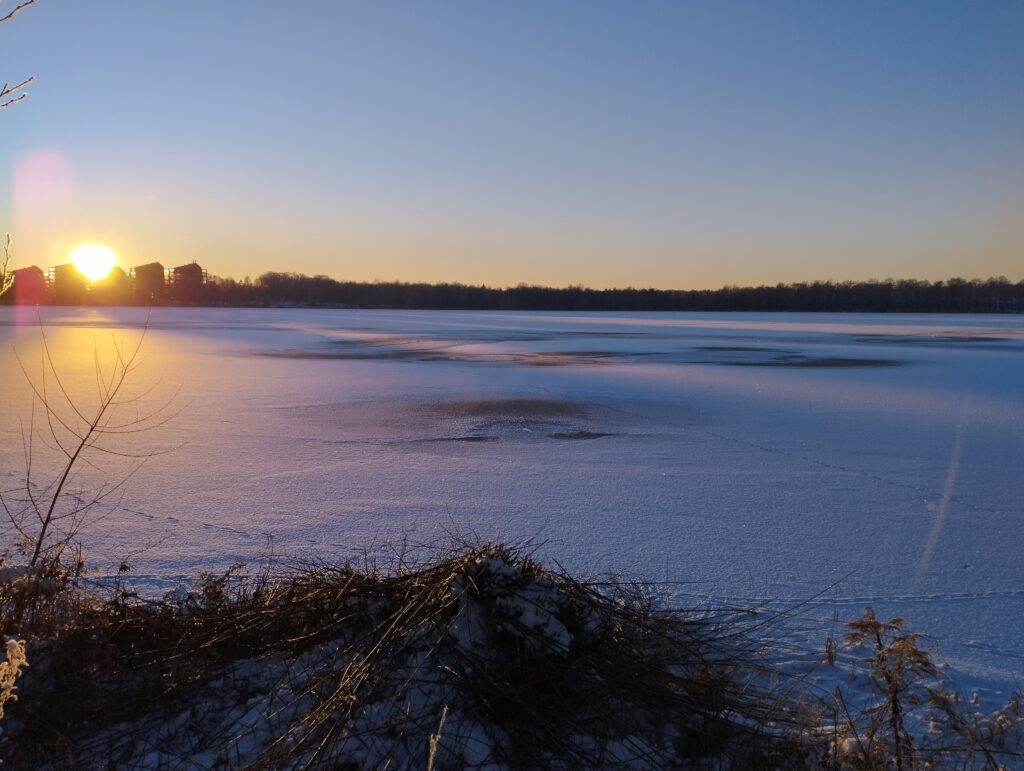
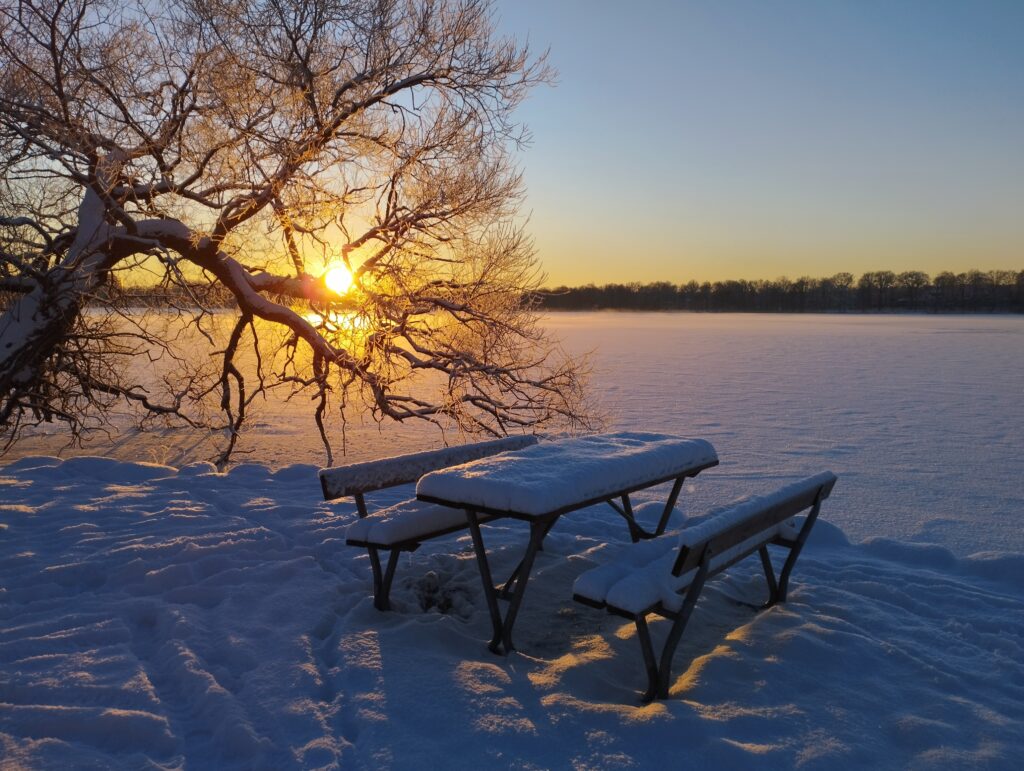
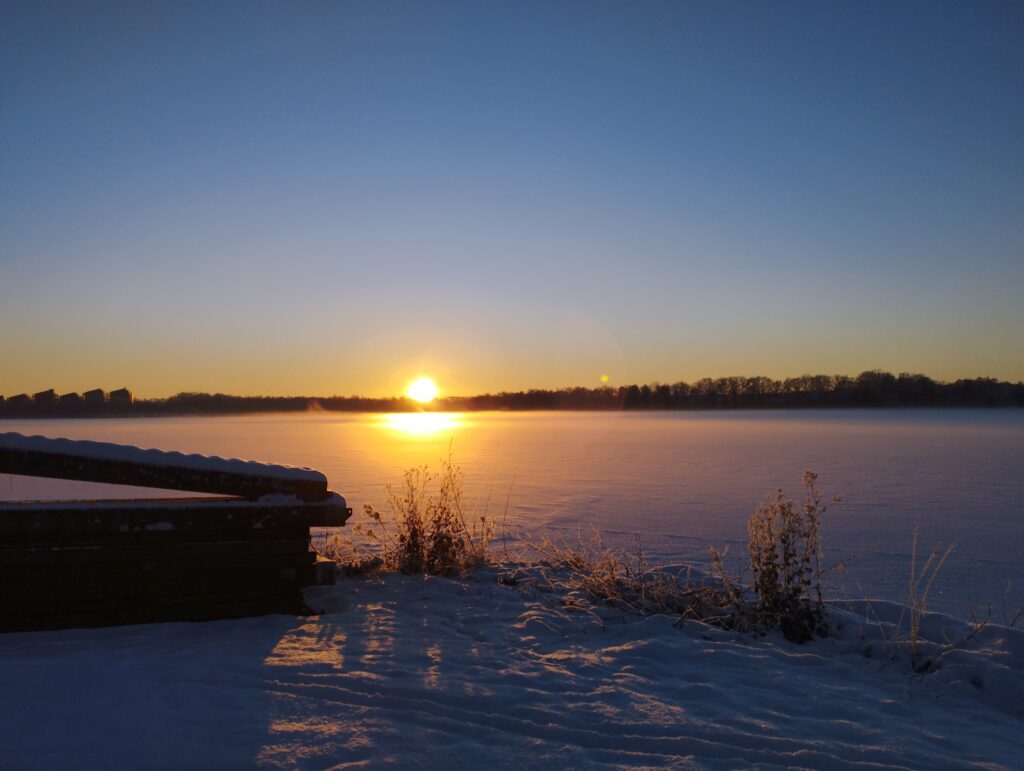
Winter is the toughest season to live in Sweden but is also the one that fits this country best. Under snow, this city suddenly looks totally different. During my stay, temperatures went as low as -15°C, and it’s on this day that I could take among the best pictures. This trip in Sweden taught me that it was not unbearable for me to live in a that cold place, as long as I wear clothes warm enough. The wind being not too strong there, -15°C actually feels warmer (or let’s say, less cold) than I expected !

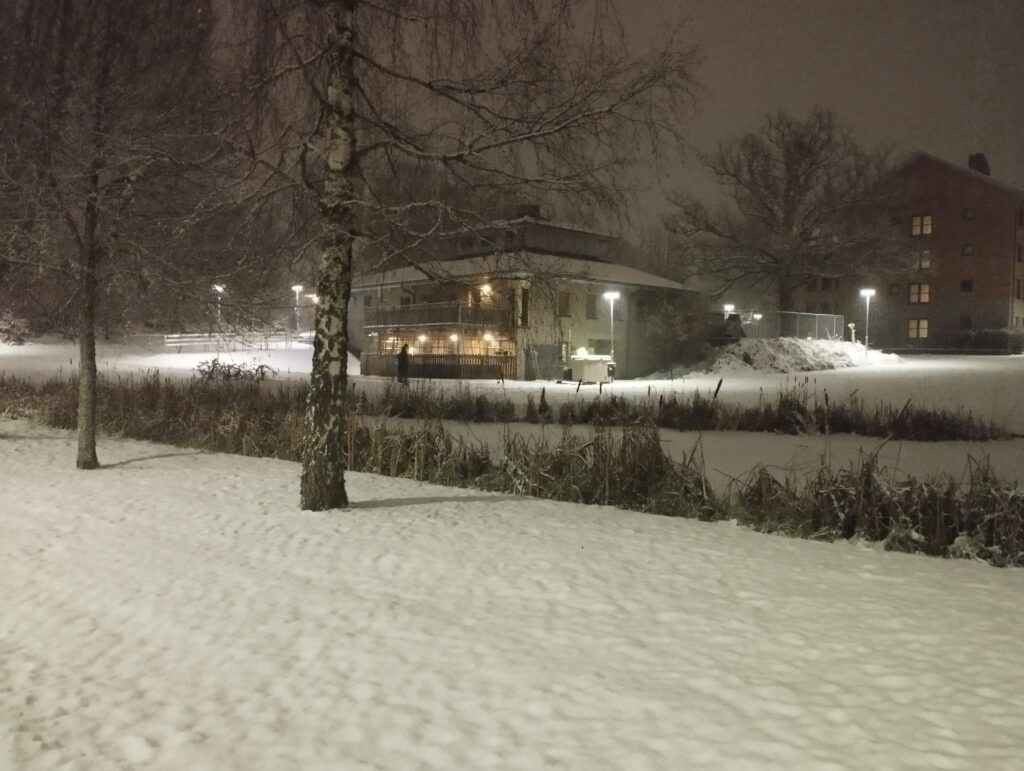
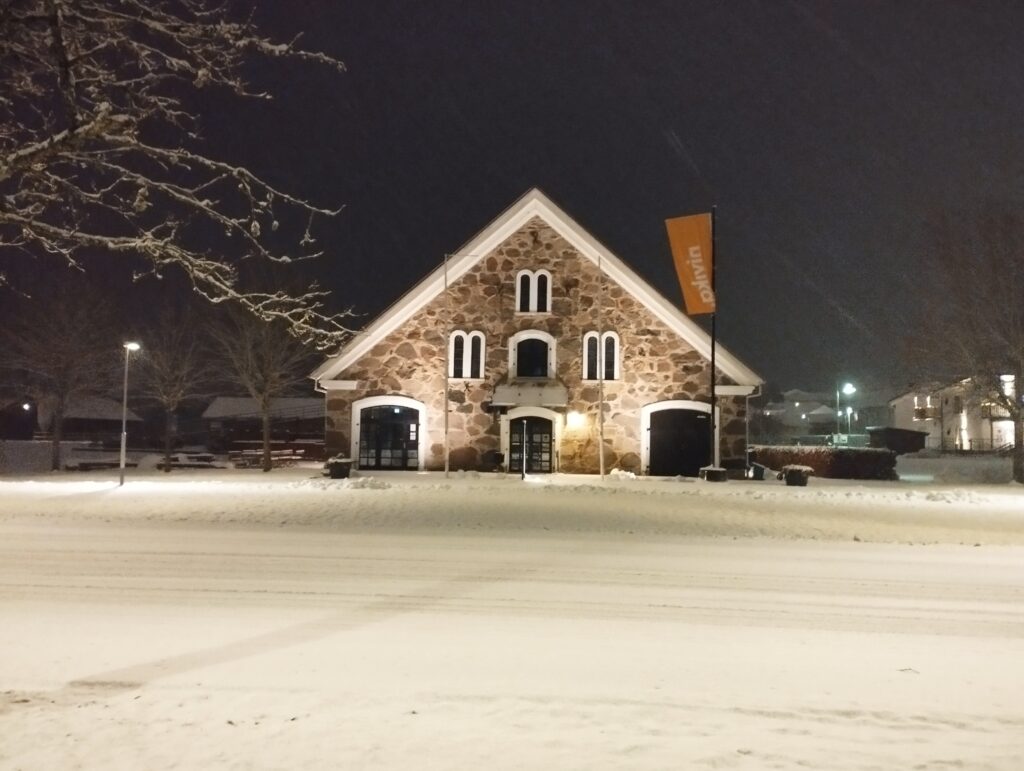
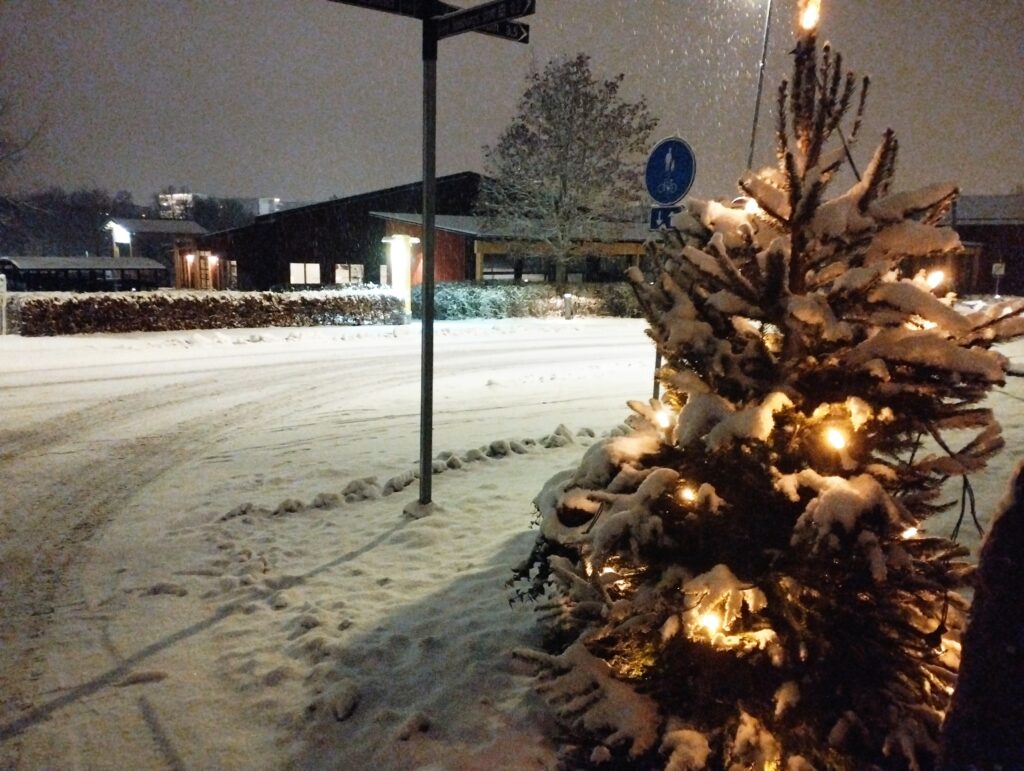
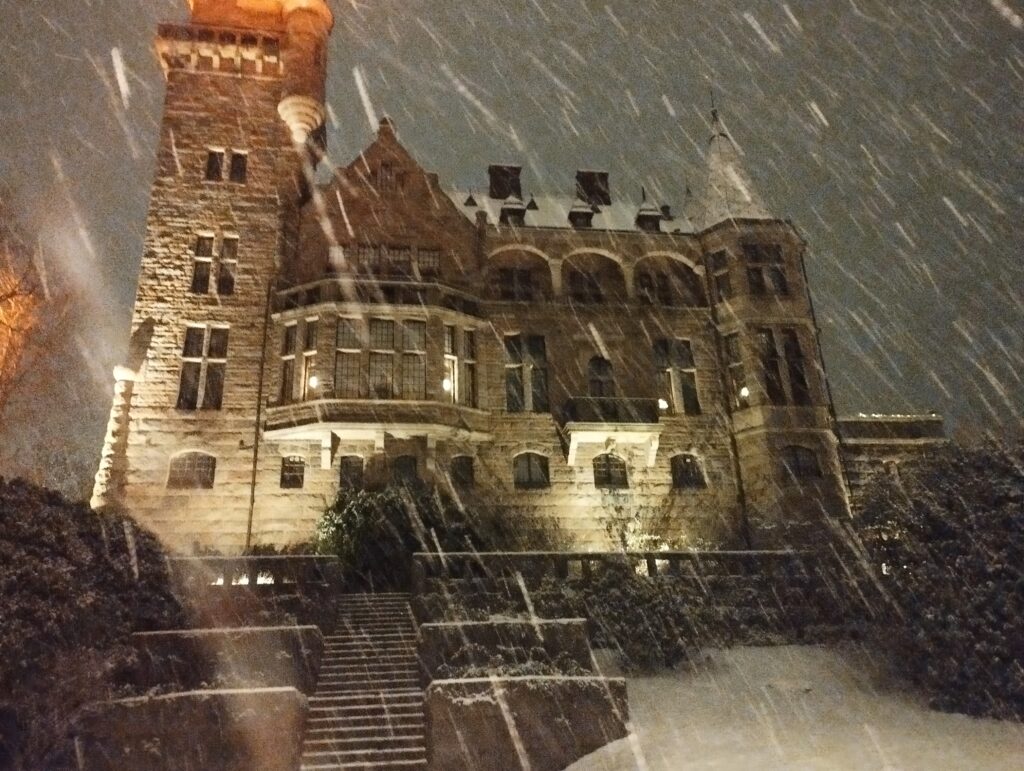
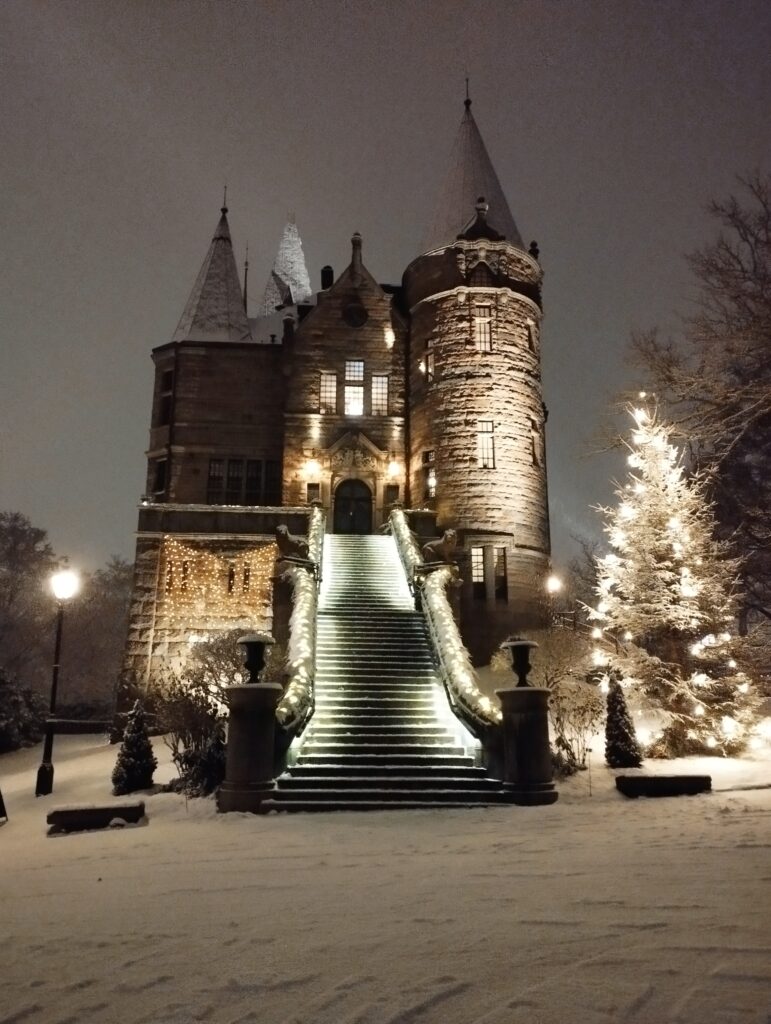
Once again, going for a walk by night can give you a totally different view of the city, this time under beautiful snow and lights.

Sweden’s Universities and Nations

Sweden’s Universities and Nations

When I arrived in Sweden in the end of August, one of the thing that first surprised me is something called « Nations ».

Sweden’s nations are basically groups of people, that everyone can join but nobody is obliged to, with whom you will be able to do a lot of activities prepared by these, like parties and games. Nations seem to be one of the best way to make friends there, to have a lot of fun and it seems to give people a sense of identity as it looks like to me to be big families.

Before the university’s new year starts, they like a lot to party for one or two weeks to enjoy their summer holidays at the fullest.
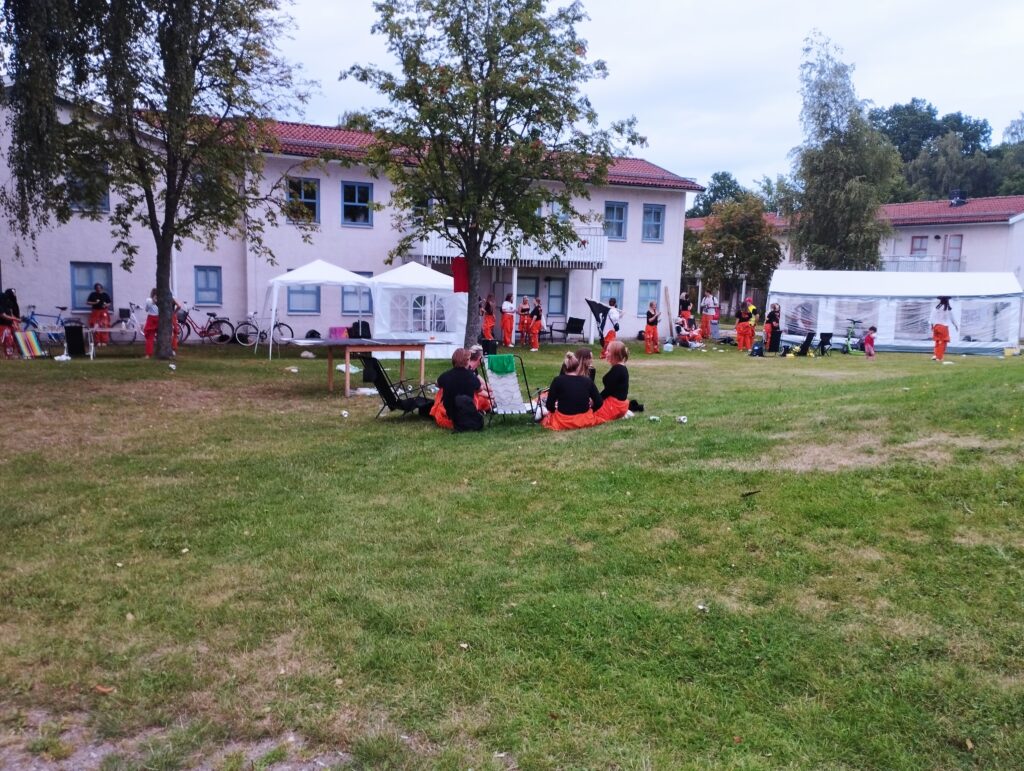
One way of doing it is to set tents in a green space and to settle there for the time you plan to party which allows you to have your own area to play. The tents also protect you from rain which comes very often in Sweden.

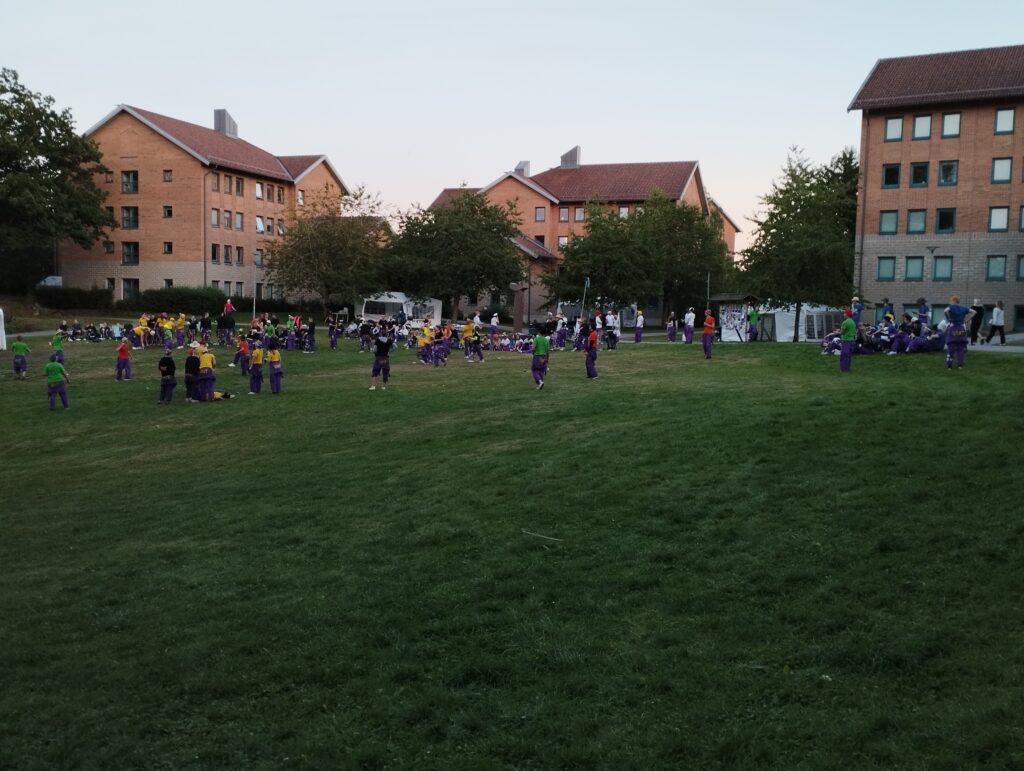
Nations all have their own dress code, it is mainly about having a specific top and a pant of a certain style and a chosen color by the nation where you can hang badges, so basically everyone wears the same clothes. The more you have badges, the more it means you participated in a lot of activities and you are in this Nation for a long time. A friend of me had a pant litteraly full of badges after 4 years.

These nations can have a very big amount of people in it. The nation from the picture was the biggest of all I’ve seen, and I expect their real number to be even bigger as they might not all be there.
In this picture, they were doing some kind of a competitive activity in groups.

Being a part of a nation also allows them to go to specific events or places, there is for example in Växjö a private club that is only for people among nations.

I personally enjoyed seing them having fun and I like a lot the concept of having a big group to which you belong to and in which you spend a lot of time. Even if I couldn’t join a nation, I fortunately could join the Erasmus group which was kind of similar to a nation. It did not have a specific dress code but still we had a lot of activities which includes night parties a bit like the pictures above and also different sports in the university’s gymnasium.

I wish we had something similar in French universities, I’m sure a lot of people would like to participate in something like this, spending time in a big group you can call family.

Life as an exchange student in Montréal

Life as an exchange student in Montréal

The first two weeks

I recently arrived at Montréal, one of the biggest cities in Canada and more precisely in Québec. Life here is not so different from life in France but still some things differ from what we have in France. The first thing you’re gonna notice is that almost everyone is bilingual. Since Montréal is close to the US border and English being Canada’s official language (Québec is the only province that speaks French) this is not that surprinsing.

Another thing, quite a big one as a French foreigner, is the milk. All forms of milk need to be pasteurized so way less variety of cheese can be produced from it.

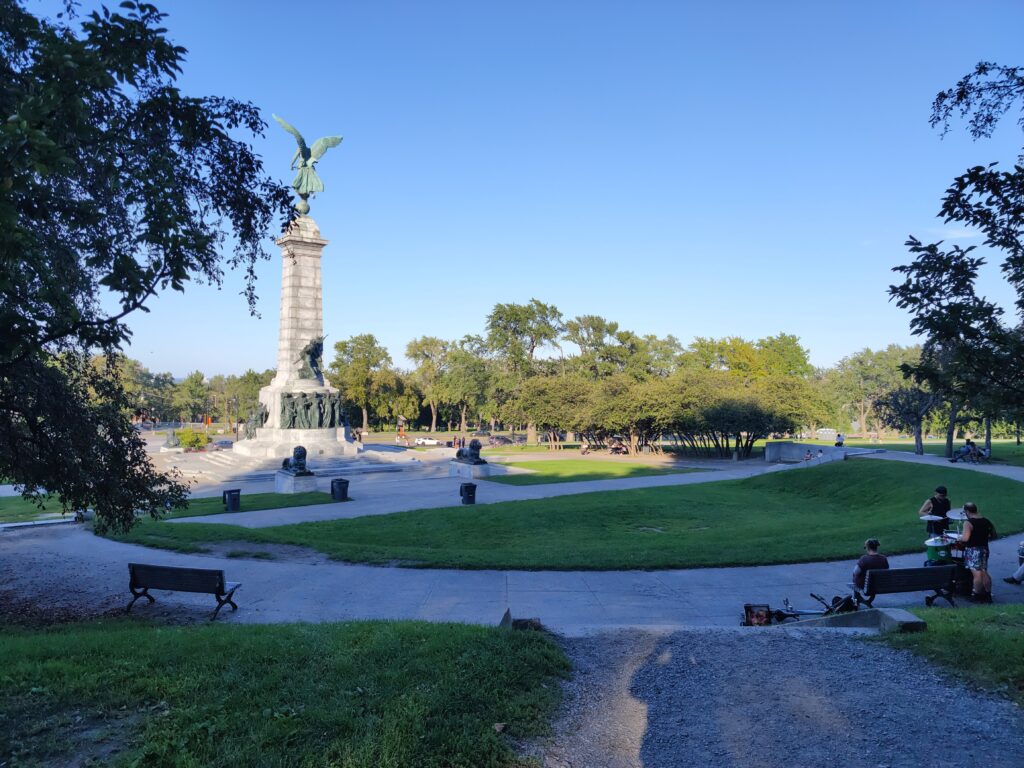
Otherwise the city is beautiful, having both huge buildings and colorful parks such as the Mont Royal’s park :

Another thing is that prices can be confusing since taxes (the equivalent of TVA in France) are calculated only at checkout, meaning the price you see on the product is slightly inferior as the price you will pay. Thankfully, since Canadian dollar being less valuable than Euro, we basically have a 25% discount on everything.

Mumble Swansea

Mumble Swansea

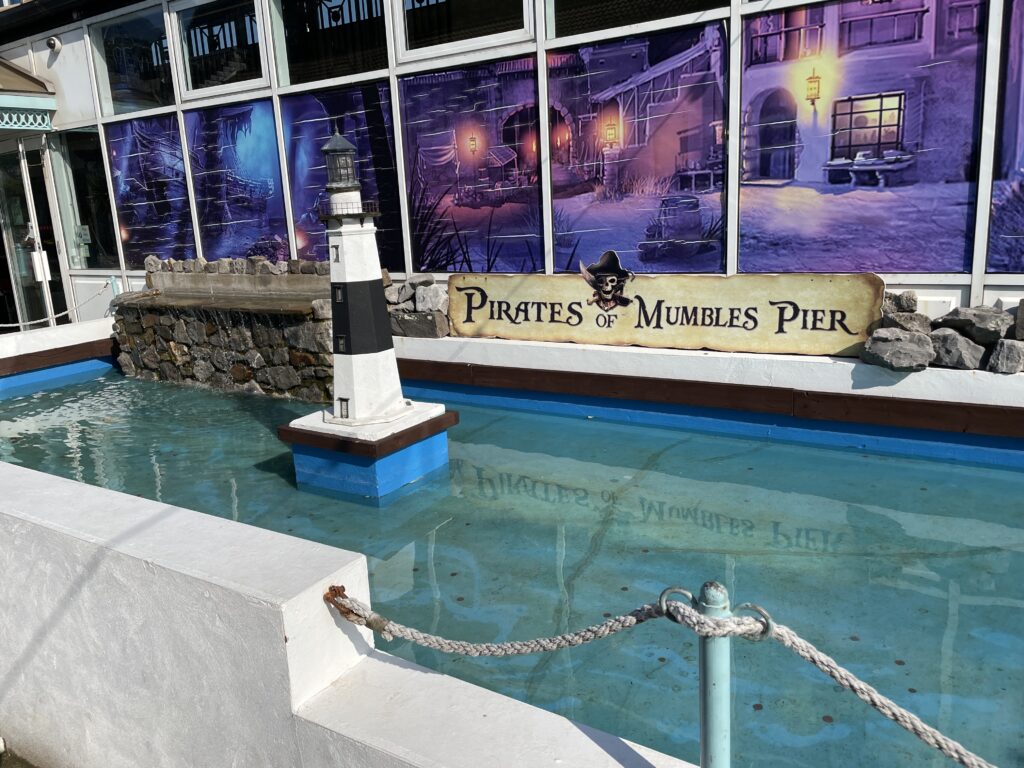
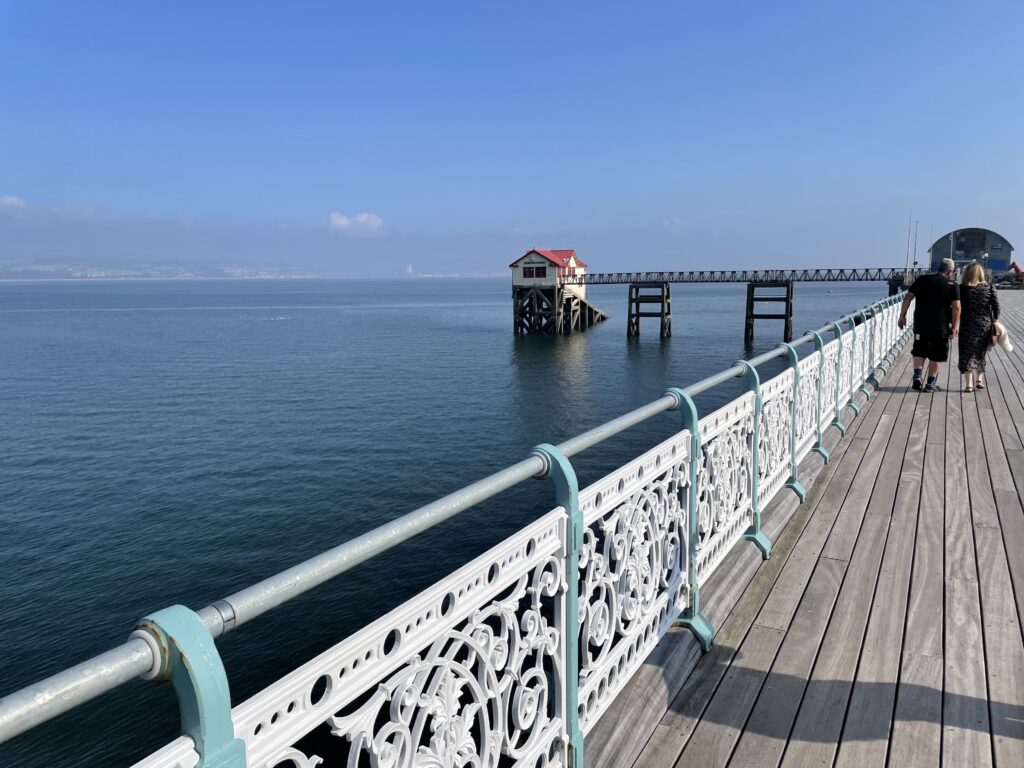
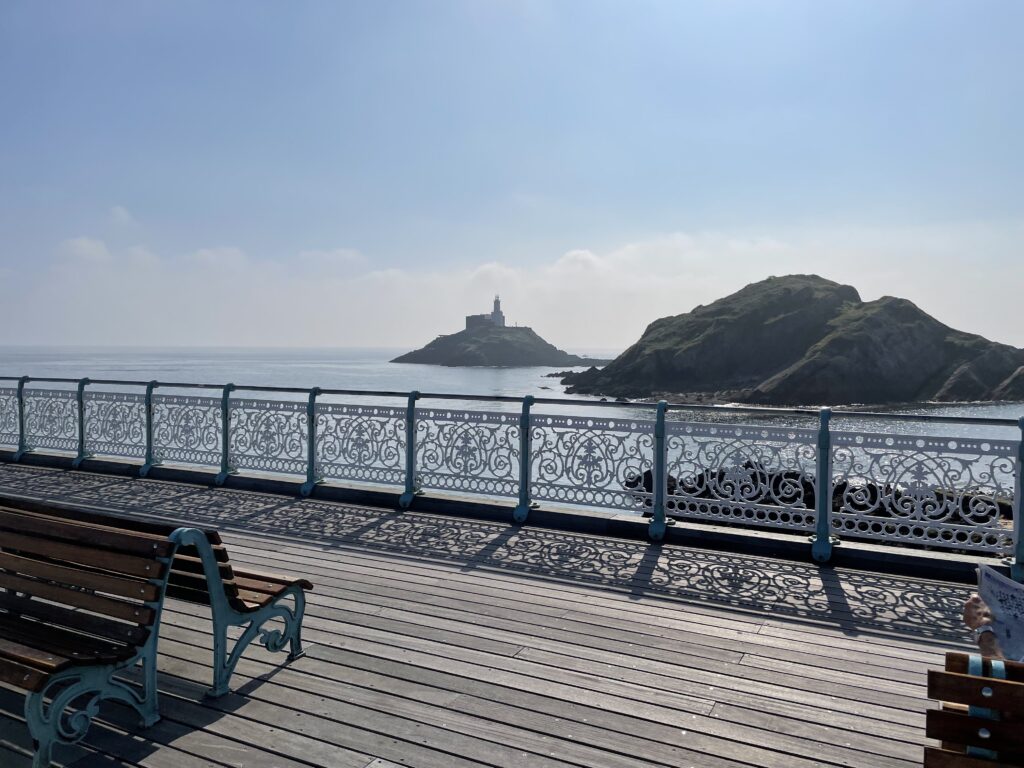
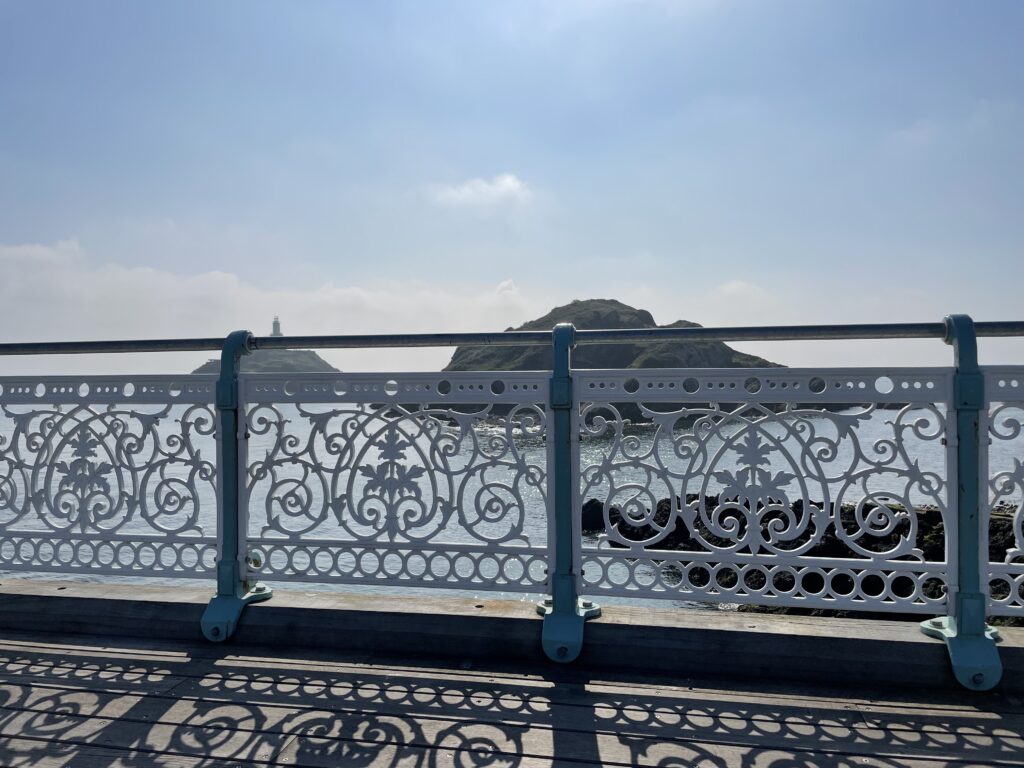
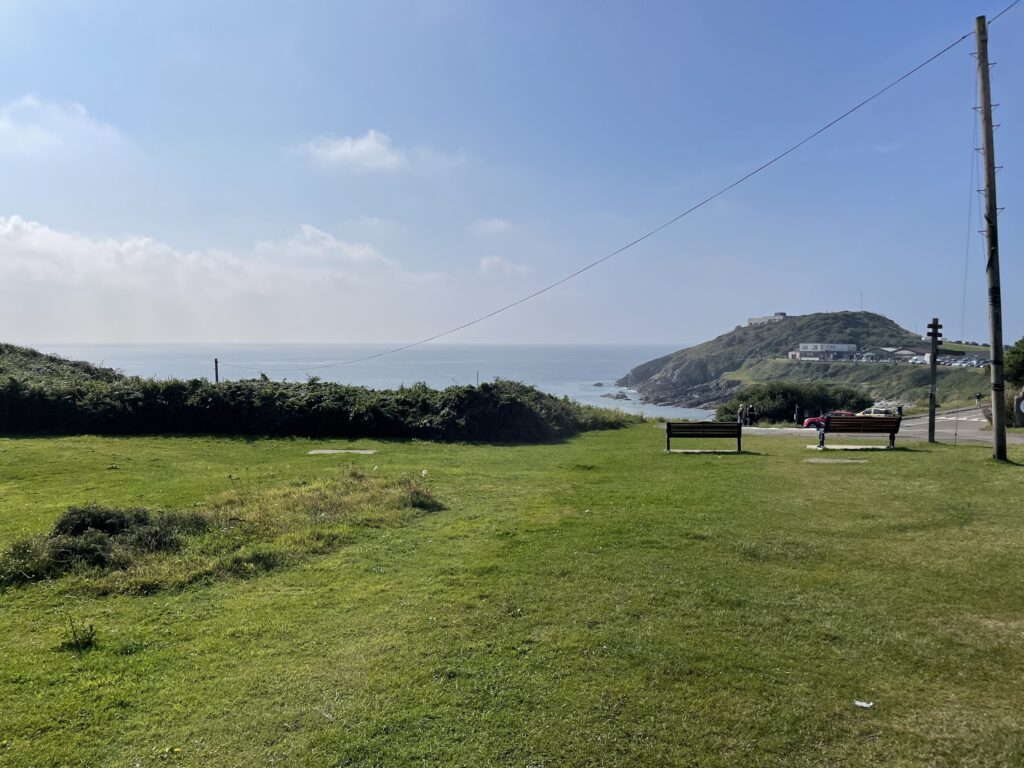
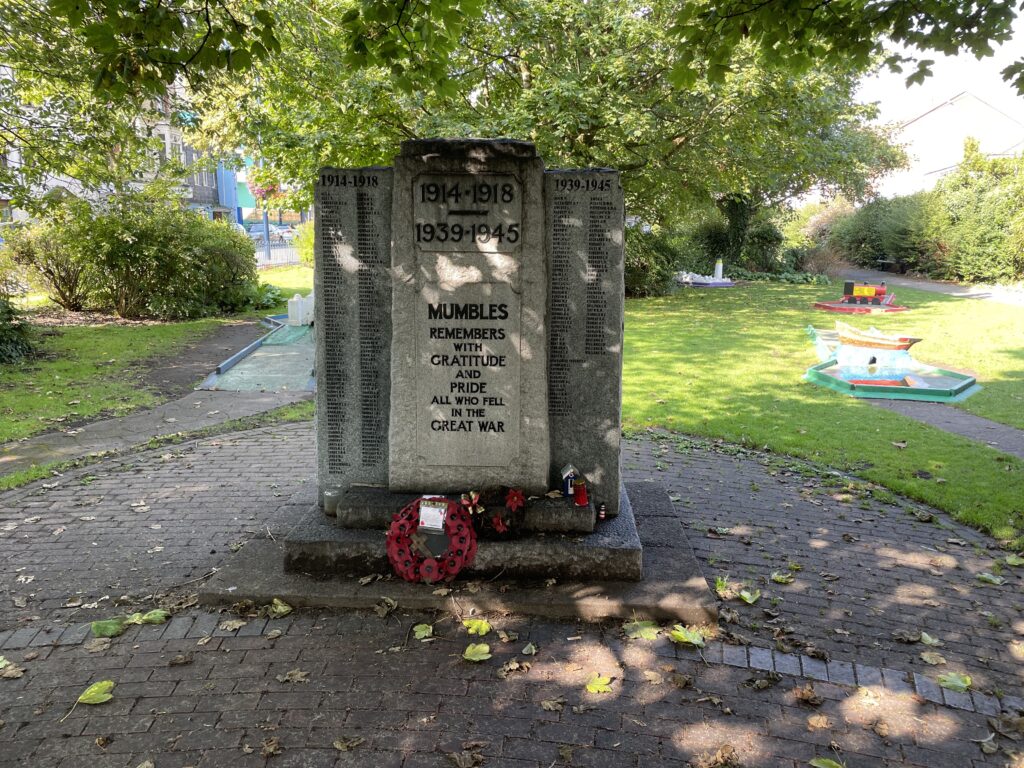
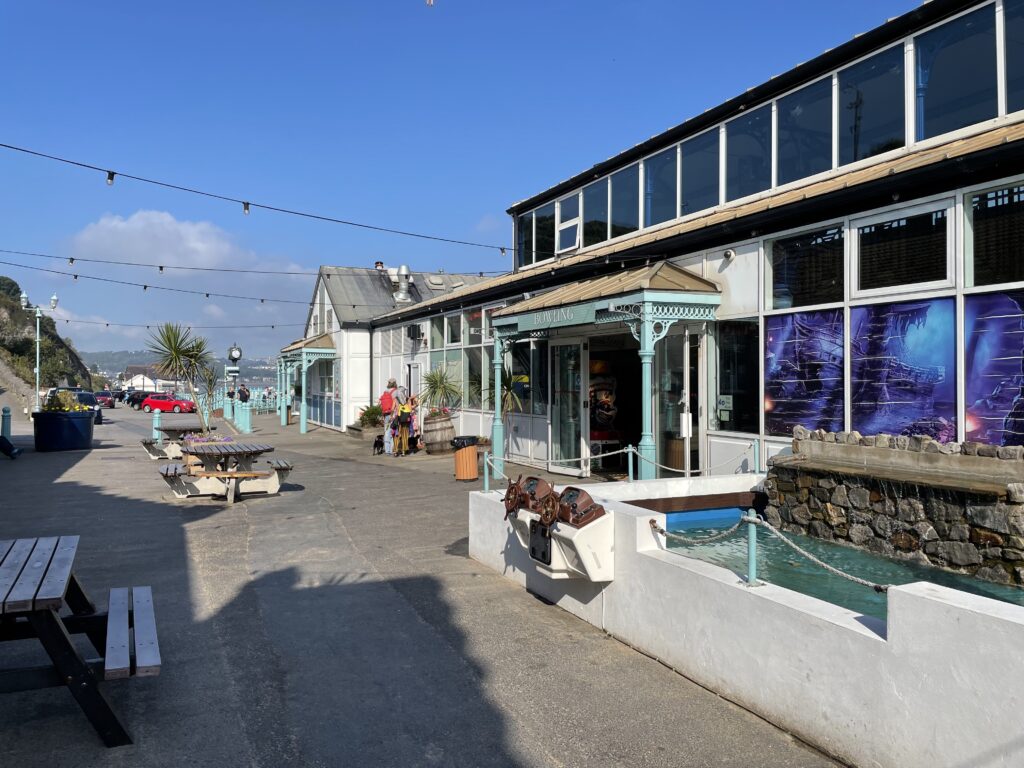
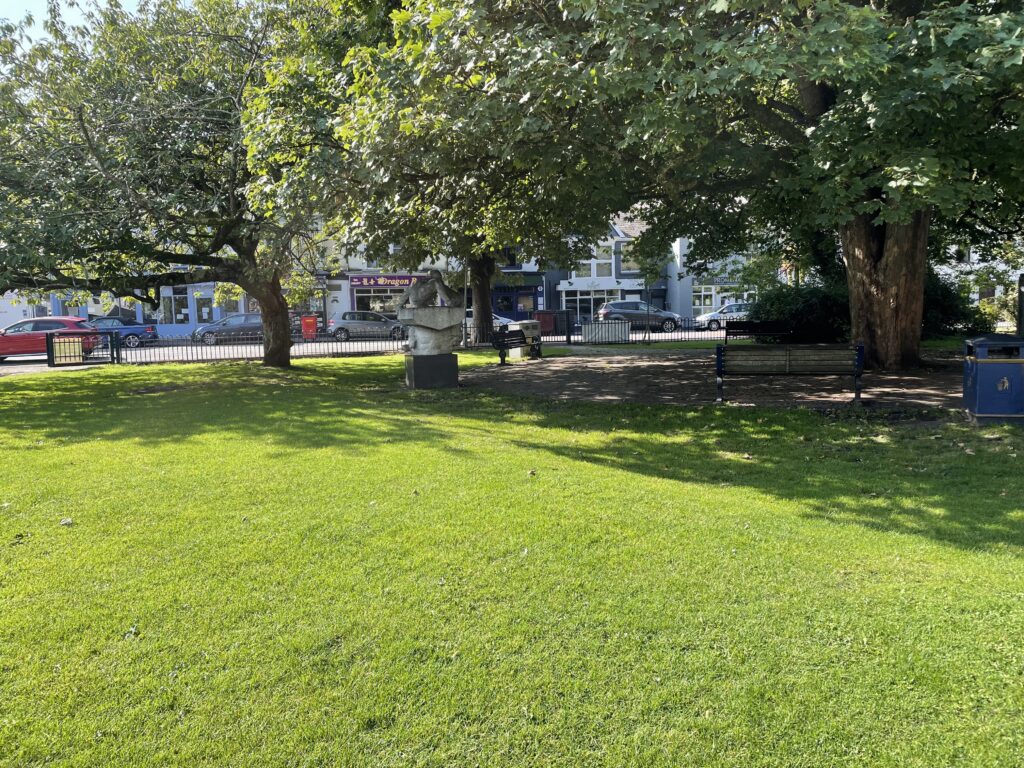
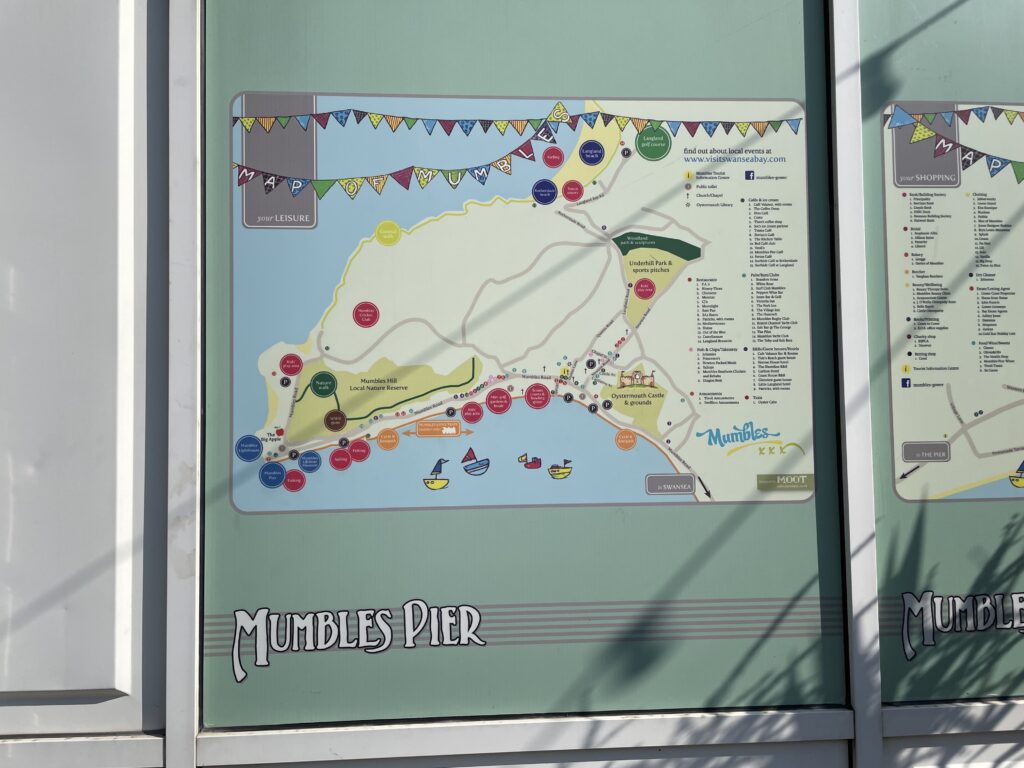
Mumble est une zone de Swansea dont je recommande à tous d’aller visiter si vous êtes de passage au pays de Galles. Ici, il y a de nombreux restaurants, de nombreux vendeurs de glaces ainsi qu’un climat très agréable avec une magnifique vue.

Je recommande vivement d’aller visiter Mumble en Septembre.

Pour aller jusqu’à Mumble depuis Swansea depuis Bay Campus vous devrez prendre un bus qui va jusqu’à Singleton Park (par exemple le 8) et après prendre le bus adapté qui va jusqu’à Mumble. À noter qu’un « daily ticket » acheté directement dans le 8 ne fonctionnera pas dans la ligne pour le retour de Mumble donc prévoyez de racheter un autre ticket pour revenir de Mumble vers Swansea centre. Le trajet dure 30 minutes depuis Bay Campus.

Comptez 3 heures de marche si vous êtes motivé. (faites gaffes à la marée si vous prenez la voie de la plage)

A Stranger

A Stranger

The Before

I left what I call home as a young girl ready to dive into the mysteries of the world, I will come back as a mature woman that is able to fight for everything she wants.

Back in the 6th of July 2021, while I was chatting with my mom, I received an email. Once I opened it, I knew my life would change tremendously.

It’s the day, I waved my last goodbye to my family. Now, no one will help me except for myself. I had this thought on repeat in my head whilst my long flight.

The Settlement

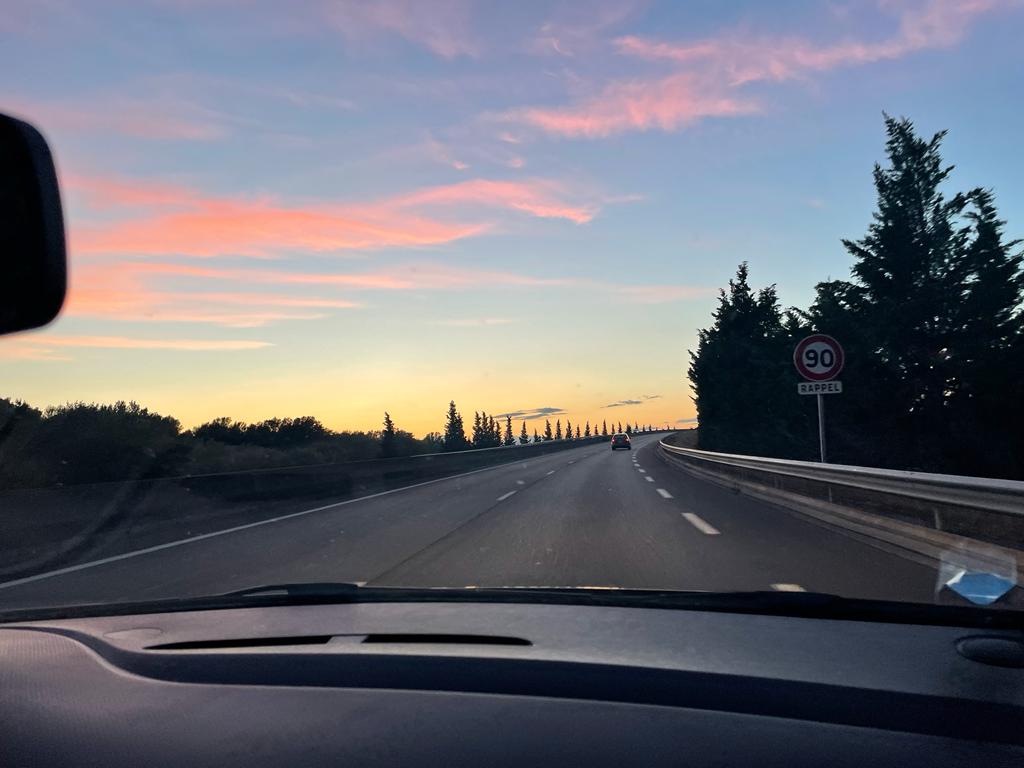
Arrived to the destination. France you are beautiful. The road from Marseille to Avignon was my favorite. All the greens. Just epic.

I still remember how stranger I felt in this city, my legs didn’t know the pavements of the roads, I had no memories in the corners of the streets. I just had my passport on me, reminding me of my identity and why I am here.

At the first beginning it was really neutral for me, I was overwhelmed with furnishing my apartment, opening a bank account, doing administrative papers etc, that I completely forgot that I am, now, in a new place.

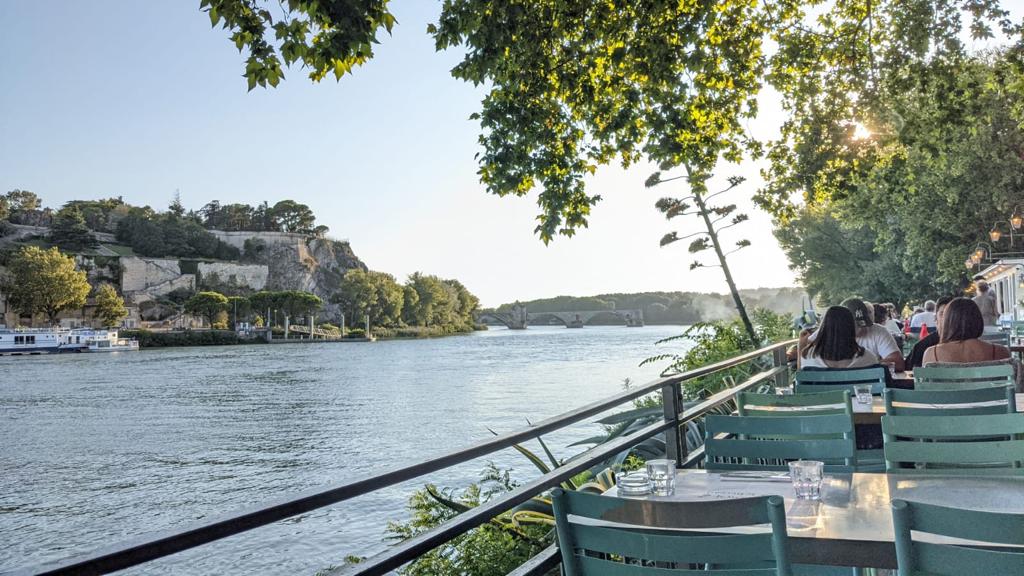
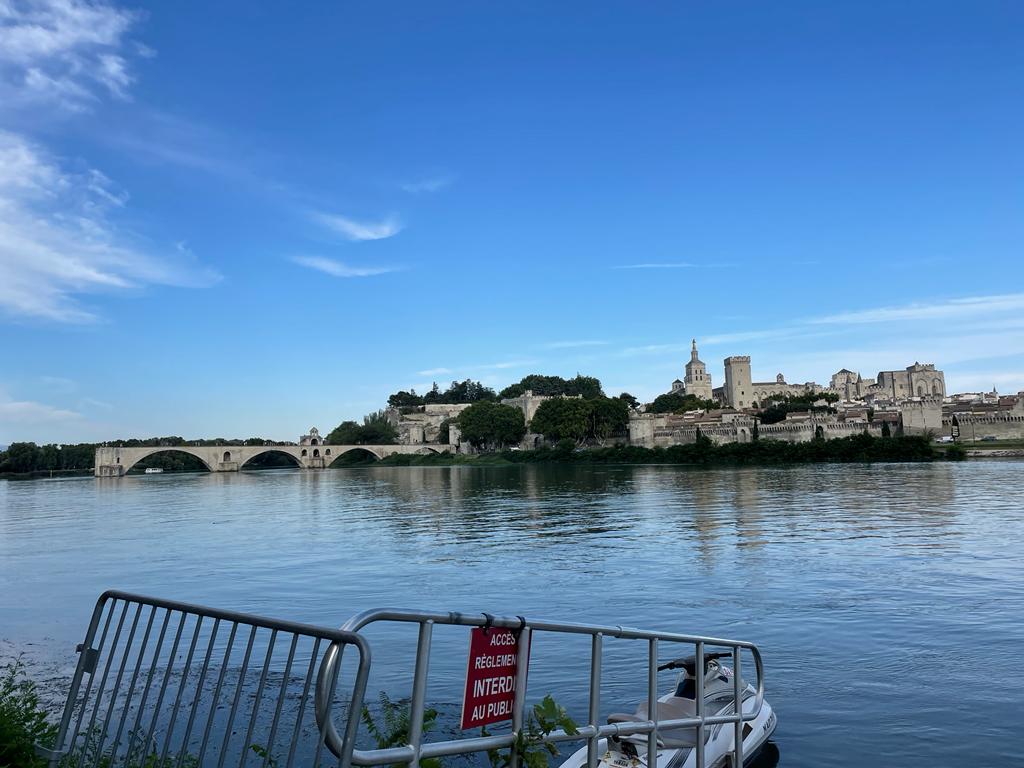
And now the fun part begins. I went to the famous “Pont d’Avignon” that was the highlight of my childhood songs, I visited many touristic sites and I must admit that I fell in love with Avignon. It is magical.

With the University start approaching, I started stressing because I wanted to know more about my bachelor, courses, literally everything.

I had the courage to connect with a university staff on LinkedIn and lucky me it was the head of CMI, Mr. Thierry SPRIET. I started asking questions nonstop and I felt better with each answer. Then University started and here I am, I just finished my first semester (even though I still feel like a school student).

The Synopsis

My first semester was pretty challenging. I had zero background about programming, but I liked it, I think it was the hardest for me to master but, otherwise I really think that I progressed significantly.

Was it tough? Definitely.

Do I regret it? No, absolutely not.

In fact, I had always this feeling of hard, but the beautiful feeling. The one that pushes you to the limits.

LES TORRENTS

LES TORRENTS

Lors de mon arrivée au Canada, c’était le 24 aout, donc environ 10 jours avant le début des cours, il fallait que je fasse des nouvelles connaissances pour que je ne m’ennuie pas et je ne me retrouve pas tout seul.

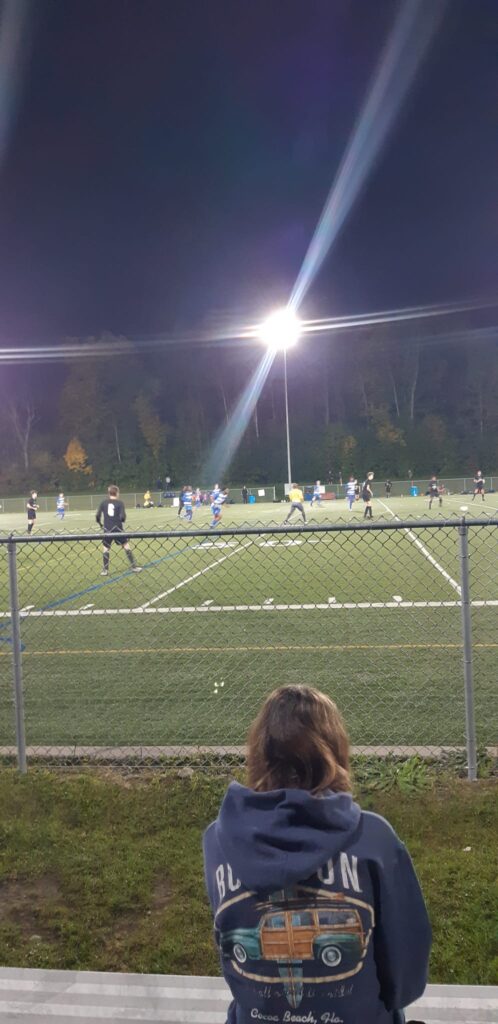
La première idée que j’ai eu en tête c’est d’aller au terrain de foot de l’université, premièrement pour rencontrer des nouveaux, et deuxièmement pour jouer au foot qui est ma passion aussi. Premier jour au terrain, on était nombreux à venir jouer ce qui m’a permet de créer une petite équipe pour jouer contre les autres équipes, on est resté en contact pour garder la même équipe pour les autres jours.

Nous avons enchainé les matchs toute la semaine jusqu’au jour où un coéquipier à moi m’a proposé de rejoindre l’équipe de l’université nommée les TORRENTS. J’ai directement contacté le coach et j’ai commencé les entrainements le lendemain.

Premier jour de l’entrainement, j’était très bien accueilli par les membres de l’équipe, j’ai trop aimé l’ambiance du groupe. À la fin de l’entrainement, le coach nous a convoqué à un match amical à Kingston, la première capitale du canada, contre les « St Lawrence College ». Dès notre arrivée à Kingston, nous avons pris un repas pour prendre des forces et ensuite chacun a pris son coin pour se concentrer sur le match. Bien arrivés sur le terrain, il y a avait un peu de monde qui supportait l’équipe adverse ce qui nous a mit un peu de pression au début, mais après le sifflée de l’arbitre tout est devenu normal comme-ci de rien n’était.

Pour un premier match, et avec deux séances d’entrainement, on était pas mal organisé sur le terrain vu qu’on apprenait toujours à bien se connaitre. Je me souviendrai toujours de mon premier carton jaune que j’ai eu suite à quelques tensions dans le match. On a perdu malheureusement, mais on a gagné une équipe capable à se développer et améliorer ses points faibles afin de devenir la meilleure.
La semaine d’après on a enchainé les entrainements, et c’est la où je me suis blessé dans la cheville et j’arrivais plus à marcher pendant plus d’une semaine, et je devais pas reprendre les entrainement après parce qu’il me faudrait du repos pour qu’elle se soigne à 100%. Donc j’ai décidé d’arrêter le foot pour le moment et de profiter de mon séjour au Canada plutôt de le gâcher en enchainant des blessures.
Et malgré tout ça, je suivais toujours les actualités de l’équipe, et j’ai regardé tous les matchs de la saison qu’ils ont joué, et j’étais présent dans tous les événements que l’équipe organisait (anniversaire, soirée, tournoi playstation…) . J’avoue que c’est l’une des meilleures expériences que j’ai vécu pendant mon échange.

My encounter with the Prime Minister of Canada

My encounter with the Prime Minister of Canada

One of my days as an exchange student, I met the prime minister of Canada JUSTIN TRUDEAU as he was on the campaign road for reelection. He made a surprise visit to the university to attend an event.

We had a small conversation, awkward at first cause I actually didnt know him , but then after I saw the cameras and intimating security I realized he was someone with significant presence. So I took out my phone and took a picture like the others after he was passed me it was a small but fun exchange of words, confusing for me also cause of my ignorance of who he was. He asked how was I and what studies I was following.

After I looked him up, I realized how funny and rememberable of a moment it was.

Les cantons de l’Est

Les cantons de l’Est

Aujourd’hui je vais parler de deux endroits que j’ai visités dans les cantons de l’Est : Coaticook, et le Mont Orford. Coaticook est une petite ville au sud-est de Sherbrooke où il y a une passerelle suspendue, celle-ci surplombe la gorge du Coaticook (la rivière porte le même nom que la ville). Malheureusement, je suis arrivé trop tard (16h) et cela fermait à 16h justement, on a donc pas pu marcher dessus (car évidemment ici tout est payant). Dans tous les cas, le soleil se couchait à 16h30, on peut voir sur la photo du pont qu’il fait déjà assez sombre. Ces ponts sont d’ailleurs typiques d’Amérique du Nord et celui-ci est assez joli avec ses lumières rouges.

Le week-end d’après j’ai décidé d’aller au Mont-Orford (sud-ouest de Sherbrooke), c’est une station de ski et un parc naturel. Je suis donc arrivé et je me suis mis à monter, la pente était assez raide sur la fin mais rien de bien méchant puisque en moins d’une heure j’étais en haut. Cependant, le temps en avait décidé autrement, à 100m du sommet du brouillard était présent puis plus je me rapprochais plus il y en avait. On peut voir sur les images qu’au départ il n’y avait pas de brouillard et qu’à la fin on ne voyait plus à 50m. Je suis donc redescendu dans le brouillard sans avoir pu prendre de belles photos depuis le sommet.

Un week-end de décembre à Québec

Un week-end de décembre à Québec

Samedi 4 décembre, 9 heures du matin, départ de Montréal.

Après avoir récupéré une voiture auprès d’un service de location dans le centre-ville de Montréal, nous voilà partis en direction de Québec. C’est le dernier week-end avant la période des examens, et surtout un des derniers week-ends pour ma part puisque je quitte Montréal peu avant les fêtes de Noël.

C’était l’occasion de sortir de Montréal, visiter une autre ville Québécoise, et surtout profiter de ces derniers instants en compagnie des gens que j’ai rencontrés lors de cet échange.

2h45 de route plus tard, nous voilà arrivé à Québec. Une température de -10°C nous glace le visage, et nous comprenons rapidement que nous n’allons pas nous habiller comme à Montréal. Après avoir parlé avec quelques locaux, ces derniers nous racontent qu’il fait toujours plus froid à Québec. Cela explique pourquoi le sol est enneigé à la différence des rues de Montréal.

« Là où le fleuve se rétrécit »

Signification du nom de la ville Québec (Kébec en langue algonquine)

La ville de Québec fût fondé par Samuel de Champlain en 1608 et est une des plus anciennes villes d’Amérique du Nord. Colonie française majeure dans cette Nouvelle-France, la ville de Québec s’inscrira dans l’histoire notamment pour les batailles qui ont eu lieu entre les Français et les Britanniques.

Une poutine avalée, nous commençons notre visite de la ville. Après s’être retrouvé malencontreusement dans une manifestation contre le pass sanitaire, nous arrivons tant bien que mal à nous faufiler jusqu’aux terrasses Dufferin. Ces terrasses offrent une vue panoramique sur le fleuve du Saint-Laurent ainsi qu’un point de vue intéressant sur le Château Frontenac. Inspiré des magnifiques châteaux de la Loire et du style architectural de la Renaissance française, cet hôtel de luxe inauguré en 1893 est maintenant un lieu historique au Canada.

Fairmont Le Château Frontenac

Nous continuons notre visite en cette froide après-midi de décembre, et décidons de nous rendre au marché de Noël. Le thème de cette année : Un marché de Noël allemand ! Il se tient sur les différentes places de la haute ville et attire beaucoup de monde. La nuit tombe à 16h et les illuminations de Noël rendent cette scène très chaleureuse. Nous croisons Saint-Nicolas, qui à mon avis avait bu un peu trop de schnaps et passons notre tour pour s’asseoir sur ses genoux. Il commence à neiger et à faire de plus en plus froid, nous décidons de nous rendre à l’appartement. Mais avant cela, je regarde une dernière fois cette scène tout droit sortie d’un compte de Noël : Des cabanes en bois, des sapins, des cheminées, de la neige, des gros messieurs en rouge et blanc…

Nous logions dans le quartier Saint-Roch à 15 min à pied du centre-ville de Québec. Dans ce quartier branché avec beaucoup de boutiques, théâtres et galeries d’art, un grand appartement de 8 places loué sur Airbnb nous attendait.

Dimanche 5 décembre, 11 heures du matin, réveil délicat.

L’appartement devait être libéré pour 11 heures, manque de pot j’étais le seul réveillé. 20 minutes plus tard tout le monde était dehors et certains se demandait s’ils n’étaient pas en train de rêver. Heureusement que le propriétaire est arrivé, sinon la journée n’aurait jamais commencé ! Un Québécois très sympathique avec qui j’ai pas mal discuté pendant que les autres s’agitaient dans tous les sens. Il a vécu 30 ans à Montréal et m’explique en tout points pourquoi il préfère Québec. Je le rejoins sur beaucoup de ses idées. Québec est une ville plus calme, plus chaleureuse et surtout beaucoup plus québécoise que Montréal. On ressent l’âme québécoise à travers son architecture issue d’un mélange du régime français et du régime britannique, à travers sa culture et surtout sa population.

Après un brunch bien mérité, nous allons visiter la basse-ville. Ce quartier se trouve au niveau du fleuve à la différence du reste de la ville qui se trouve en hauteur. Ce plus vieux quartier de Québec fût souvent inondé vu sa proximité avec le fleuve, cela explique l’expansion de la ville sur les hauteurs. Ces bâtiments et ces rues font ressortir l’influence européenne dans la construction de cette ville. Nous ne sommes donc pas dépaysés.

Nous continuons notre journée en direction des plaines d’Abraham. Ces plaines ont été en 1759 le champ de bataille sur lequel les Britanniques ont remporté la ville de Québec sur les Français de la Nouvelle-France. En ces temps modernes et en ce mois de décembre, les plaines d’Abraham sont devenues des champs de bataille de boule de neige. Recouvertes de neige, ces plaines sont toute l’année le parc des Québécois et rendent cette ville encore plus naturelle et agréable.

Malheureusement notre séjour touche à sa fin, nous reprenons la route, il faut rentrer à Montréal.

Nous avons découvert la ville de Québec qui n’a rien à voir avec Montréal sur plusieurs points. Elle est très certainement moins dynamique, mais beaucoup plus conviviale et familiale. C’est un séjour à ne pas louper pour les futurs étudiants en échange, surtout pendant la période des fêtes.